Jan 25, 2026
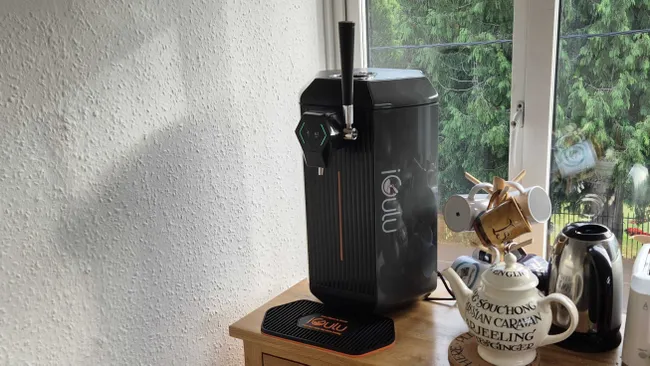
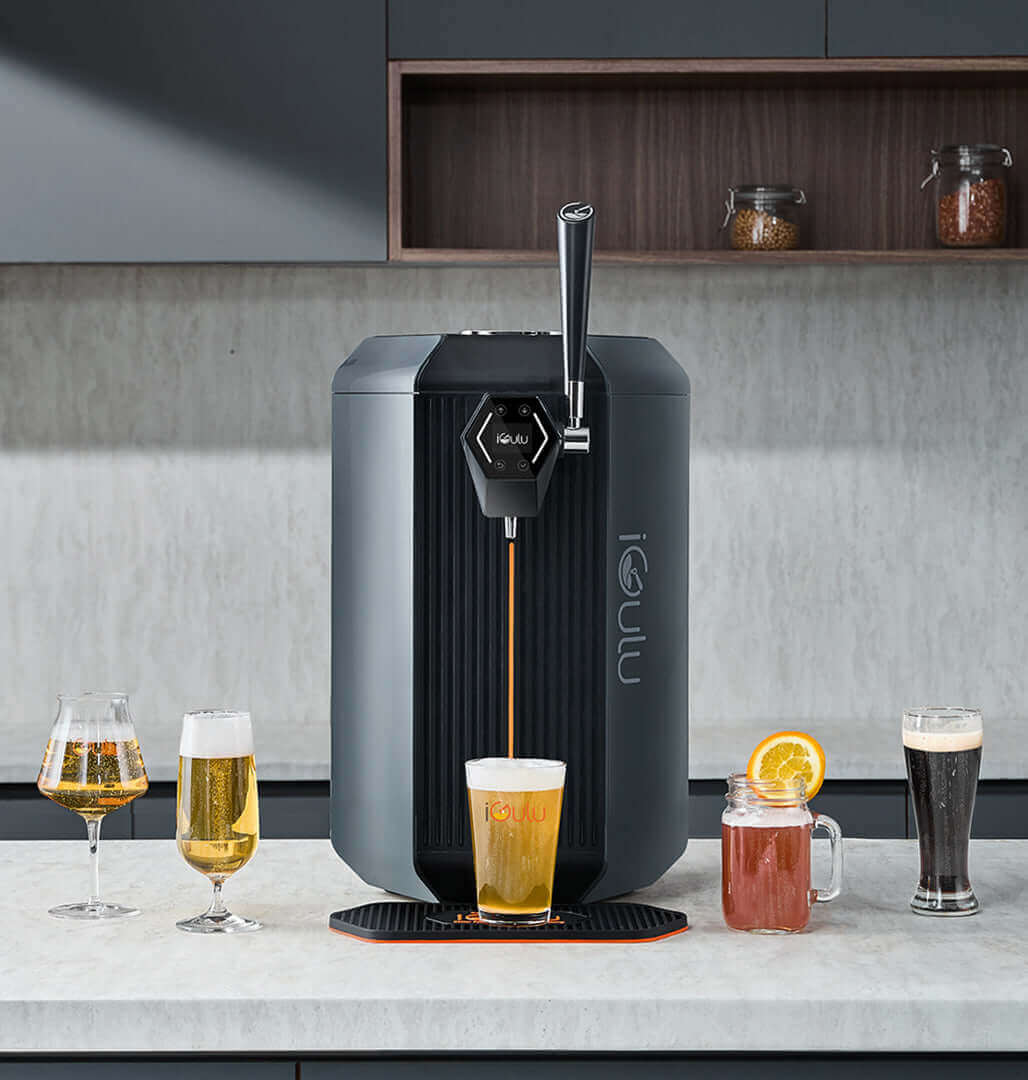
I first ran into the iGulu S1 while looking at the current wave of “smart countertop brewing” appliances—machines that promise to shrink homebrewing down to something closer to a coffee routine: load, tap a few controls, and let automation handle the finicky parts. What caught my attention with the S1 was the brand’s pitch that it’s an affordable on-ramp to automated brewing, while still handling fermentation, cooling, and dispensing in one unit.
Initial impression: the iGulu S1 is positioned as a genuinely approachable automated home beer brewer—especially for people who like the idea of brewing, but don’t want a garage full of gear.
Price: $549 (official website)
Availability: Official iGulu store: iGulu S1 product page
Amazon Link: HERE
Affiliate disclosure: As an Amazon Associate, I may earn from qualifying purchases.
Key Specs Table
Spec | iGulu S1 Details |
|---|---|
Materials | Not specified on the official product page (at time of writing) |
Brewing volume (exact) | 1 Gallon / 116 oz. / 3.8 L (fermentation keg) |
Keg capacity | 5 L (compatible for dispensing/cooling use-case per iGulu FAQ) |
Weight | Net 19.40 lbs (8.8 kg) / Gross 26.23 lbs (11.9 kg) |
Dimensions | 17.60" × 13.07" × 20.39" (447 × 332 × 518 mm) |
Packaging dimensions | 18.70" × 14.76" × 22.24" (475 × 375 × 565 mm) |
Temperature range | 37.4–104°F (3–40°C) |
Refrigeration form | Semiconductor |
Cooling / heating power | Cooling 65W / Heating 12W |
Gas source / dispensing | Air pump or CO₂ mini regulator (iGulu notes air-pump dispensing is best finished within 24 hours) |
Rated voltage / frequency | 100–240V~, 50/60Hz |
Filter system / key mechanism | RFID card starts brewing programs (per iGulu “Mix, Brew and Pour” section) |
Colors/finishes | Not specified on the official product page (at time of writing) |
Warranty | 3-Year Warranty (per “Shop With Confidence” on iGulu page) |
Design Review
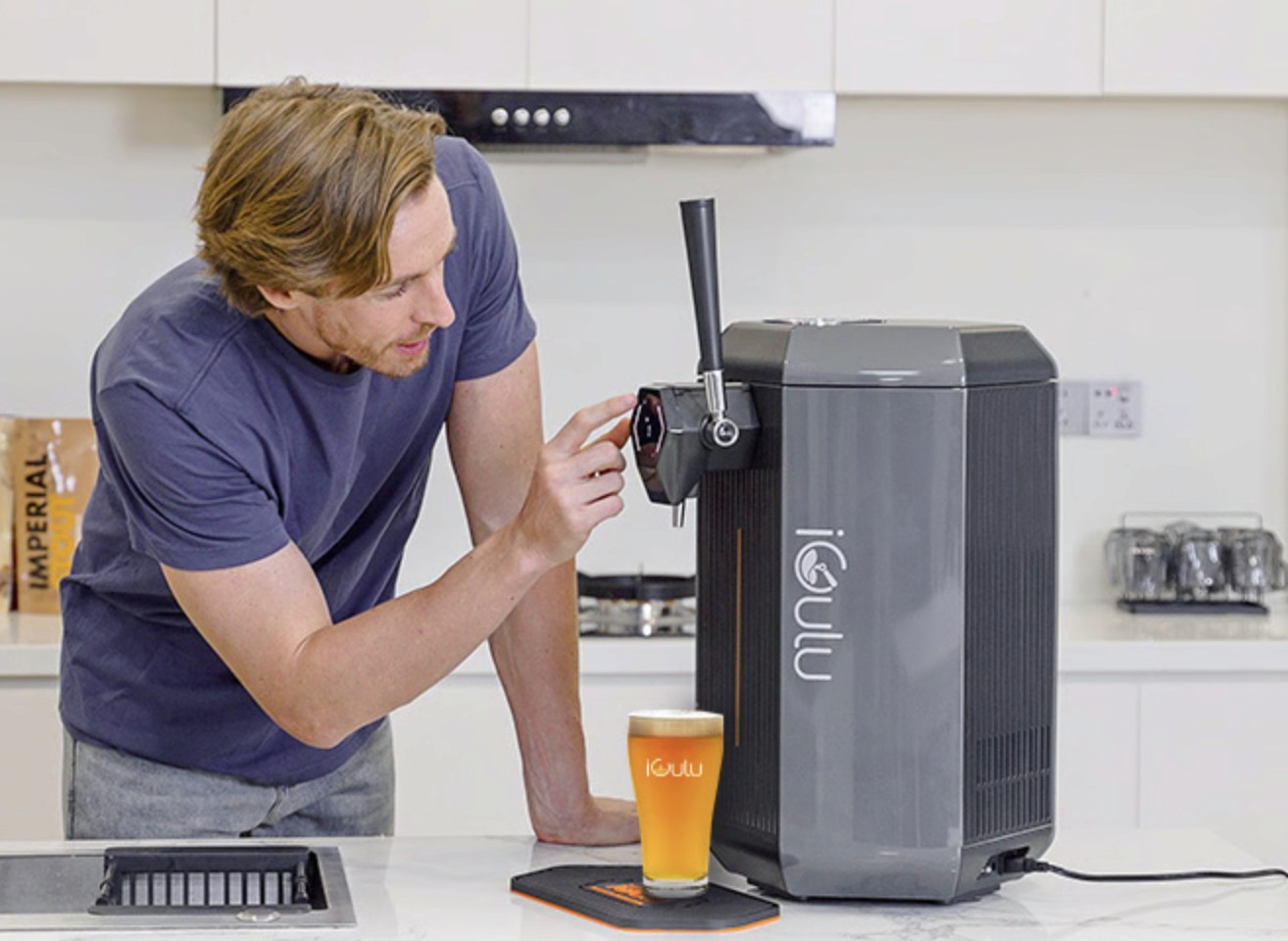
In pure footprint terms, the iGulu S1 makes sense for small kitchens: tall enough to feel like a “real appliance,” but not sprawling like traditional brew rigs. From a food-tech perspective, the key design story is that it’s trying to collapse multiple stages—fermentation control, cooling, and dispensing—into one consistent workflow, rather than asking for separate fermentation chambers, kegerators, or add-on chillers.
Build quality & layout
The core concept is tidy: a single machine that manages temperature and pressure control as part of the process (called out directly on the product page).
The “RFID-driven recipe” approach is a practical design choice for repeatability: it’s hard to mis-key a temperature schedule when the machine loads it from a tag.
Ergonomics & day-to-day usability
For beginners, RFID initiation plus “guided automation” can reduce the typical failure points (missed temps, inconsistent fermentation conditions).
The physical reality remains: cleaning and sanitation are still part of the job, even with automation.
Cleaning & maintenance
iGulu’s cleaning guidance is refreshingly straightforward: depressurize, open the tank, rinse/soak, wipe, and brush the lines (with an option to replace lines using disposable sets).
Noteworthy pros
Fully automated positioning (fermentation + cooling + dispensing) in one unit
Compact “apartment/dorm” intent stated outright by iGulu
Clear storage guidance: up to 30 days in “COOL” mode when using a SodaStream-style CO₂ tank; 24 hours recommended when dispensing via air pump
Noteworthy cons / watch-outs
Materials and finishes aren’t clearly specified on the product page (harder to judge long-term wear expectations from spec alone)
CO₂ logistics: iGulu explicitly notes CO₂ isn’t included due to shipping constraints; air-pump dispensing is a convenience mode with a shorter best-by window
Performance Review
Since this review is being drafted from the provided specs and manufacturer documentation (not from lab measurements), the most honest way to handle performance is to outline the exact checks that should determine whether the iGulu S1 delivers on “automated home craft beer brewer” expectations.
1) Temperature control performance
What to verify: stability and accuracy at meaningful setpoints:
37.4°F,50°F,68°F, and95–104°FWhy it matters: the S1’s promised value is “smart temperature & pressure control,” plus a published operating range of 37.4–104°F (3–40°C)
2) Automation reality check
What to track: hands-on minutes from setup → start → cleaning; number of steps that still require attention
Why it matters: many “automated” brewers still hide a lot of manual work in transfers, cleaning, and carbonation management.
3) Dispensing & carbonation: air pump vs CO₂
What to verify: foam consistency, carbonation hold, flavor stability over time when dispensing with:
Air pump, and
CO₂ tank / mini regulator
Why it matters: iGulu’s own FAQ draws a sharp line—air pump dispensing is “finish within 24 hours,” while CO₂ + COOL mode supports storage “up to 30 days”
4) Repeatability
What to verify: two identical cycles produce similar results (taste, carbonation, clarity)
Why it matters: repeatability is the payoff for automation and programmed schedules (RFID-based process initiation is part of iGulu’s workflow)
5) “Beyond beer” use-cases (kombucha, cider, wine, more)
iGulu explicitly markets multi-drink capability—beer styles plus fermented drinks like kombucha, cider, wine, tea, and more—on the product page/FAQ. That’s appealing, but it also raises the bar on sanitation and temperature profiling.
Pro-tip: multi-beverage fermentation setups live or die on cleaning discipline. Any machine that can do beer and kombucha needs especially consistent cleaning habits to prevent flavor carryover.
Comparisons
1) MiniBrew Craft Gen 3
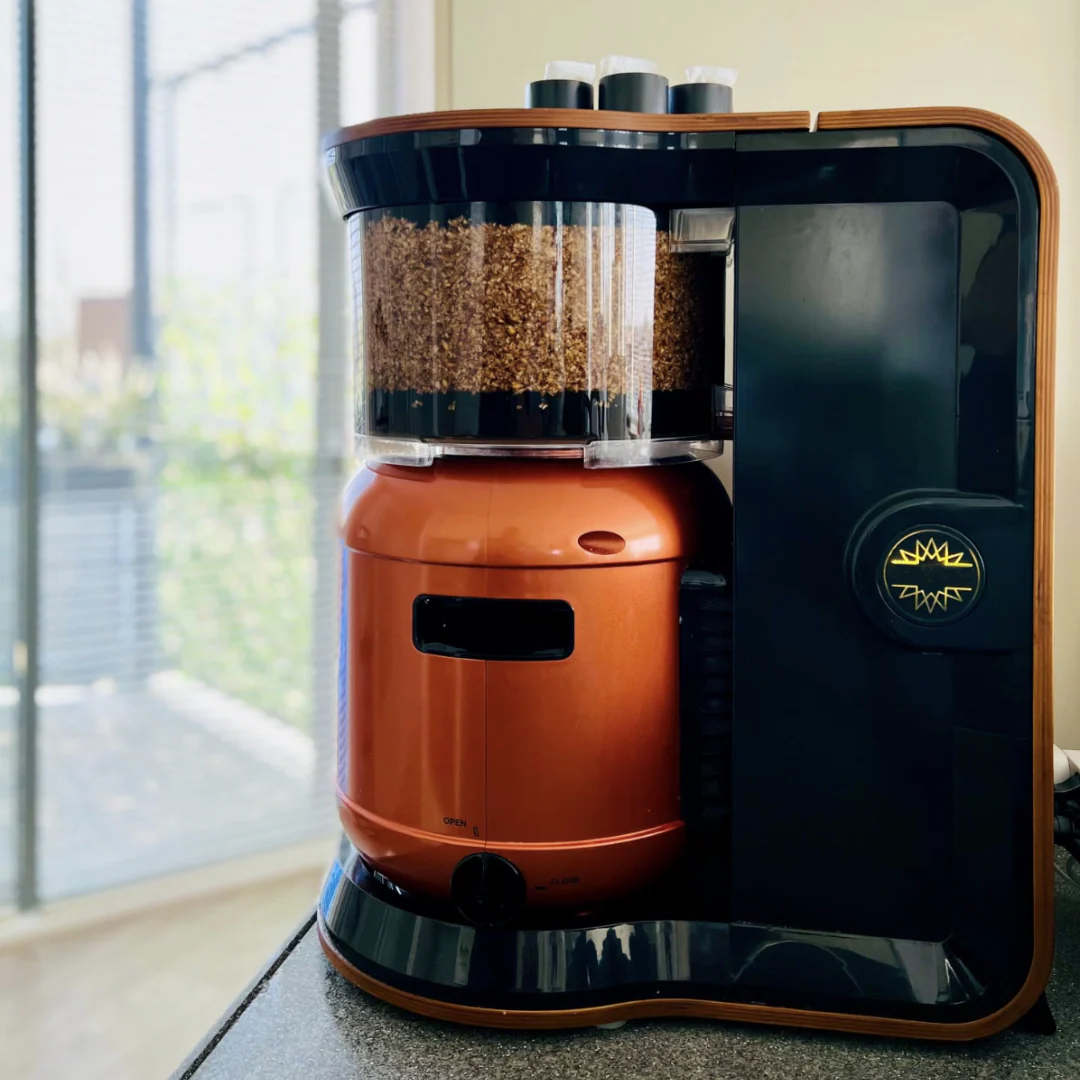
Overview: MiniBrew’s Craft Gen 3 is also marketed as a smart, all-in-one brewing setup, explicitly calling out beer, cider, and kombucha—built around its system plus Smart Keg approach.
Pros vs iGulu S1
MiniBrew pros: Strong emphasis on an ecosystem (machine + Smart Keg + recipe/community angle); clearly positions brew/ferment/serve as an integrated experience
MiniBrew cons: Pricing and membership structure may be a deciding factor depending on region and usage style (MiniBrew highlights plans/membership on the product page)
Best fit
MiniBrew Craft Gen 3: home brewers who want a guided ecosystem and are comfortable leaning into a connected platform and recipe library approach.
iGulu S1: readers prioritizing a lower entry price and iGulu’s “beginner-friendly” positioning at $549
2) BeerDroid
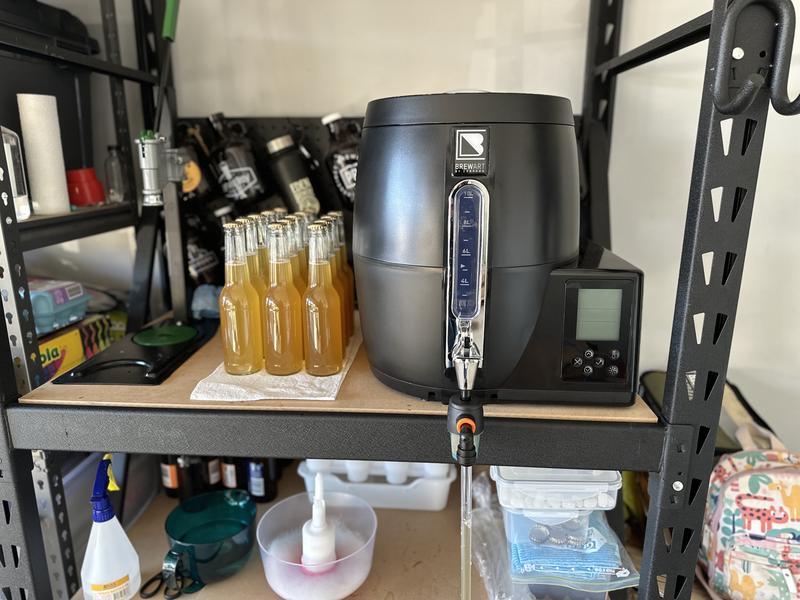
Overview: BrewArt positions BeerDroid as a “fully automated personal brewer,” with temperature control, Wi‑Fi, preset lager/ale programs, app monitoring, and a stated 10L (2.6 gal) brew capacity.
Pros vs iGulu S1
BeerDroid pros: Larger batch size (10L) and mature “personal brewery” positioning with preset programs and app monitoring
BeerDroid cons: Higher price listed at $599 on BrewArt’s site, and it’s more singularly framed around beer (vs iGulu’s broader “beer + kombucha + cider + wine + more” messaging)
Best fit
BeerDroid: drinkers who care most about bigger batches and a beer-first workflow.
iGulu S1: people who want smaller batches and the flexibility iGulu markets around multiple fermented drinks, plus a lower price point at $549
Verdict / Summary
The iGulu S1 makes the strongest case as an automated countertop home beer brewer for beginners, small-space setups, and anyone who values an “appliance-like” experience over the traditional hobbyist brew day. The most convincing parts of iGulu’s own documentation are the practical ones: explicit temperature range, the RFID-driven workflow, and the realistic guidance on storage time differences between air pump dispensing and CO₂-assisted serving
Best for
Beginner home brewers who want automation and fewer moving parts
Apartment or small-kitchen setups
People who like experimenting across beer styles and other fermented drinks (as iGulu describes
Biggest strengths
All-in-one positioning: fermentation + cooling + dispensing
Clear CO₂ vs air-pump expectations (30 days vs 24 hours)
3-year warranty is a confidence marker in this category
Potential drawbacks
Limited published detail on materials/finishes
CO₂ adds complexity if long storage/serving is the primary goal (and CO₂ isn’t included)
Score (category context): 8.3 / 10
About

Delivering independent journalism, thought-provoking insights, and trustworthy reporting to keep you informed, inspired, and engaged with the world every day.
Featured Posts
Explore Topics