>
>
Clear Drop Soft Plastic Compactor (SPC) Review: A Month of Turning My Plastic Guilt Into Bricks
Clear Drop Soft Plastic Compactor (SPC) Review: A Month of Turning My Plastic Guilt Into Bricks
Read our hands-on review of the Clear Drop Soft Plastic Compactor (SPC). We spent a month testing this smart appliance that turns plastic film into recyclable bricks.
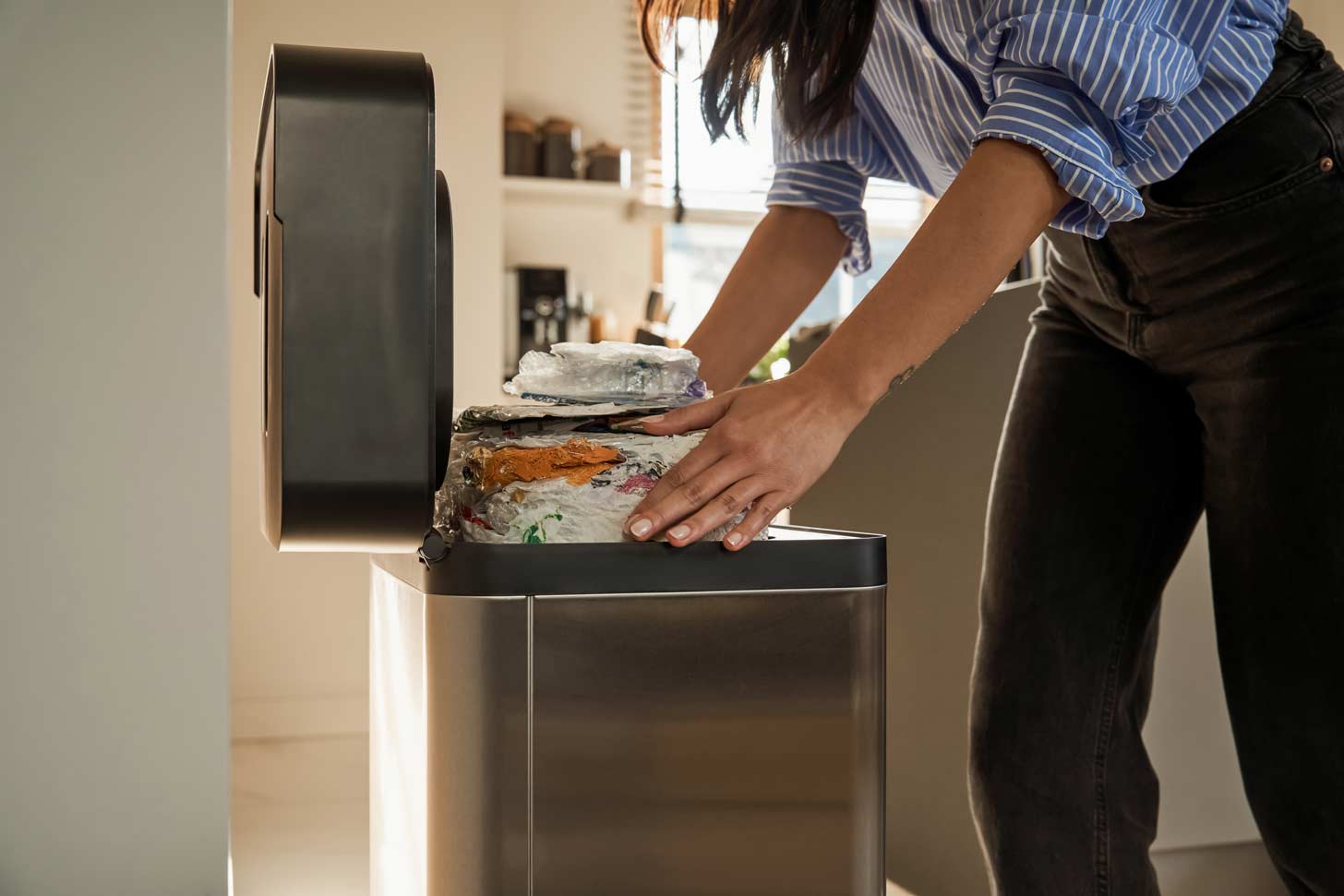
If you’re like me, you probably have a "bag of bags" somewhere in your kitchen—a growing, crinkly mountain of grocery sacks, bubble mailers, and bread bags that you intend to take to a store drop-off but rarely do. It’s a low-level friction point that’s been waiting for a tech solution. When I first saw the Clear Drop Soft Plastic Compactor (SPC), I was immediately struck by the idea of a "smart appliance" dedicated to such a specific, mundane problem. After a full month of living with it, I’ve found that it doesn't just solve the storage issue; it fundamentally changes how I handle waste.
Initially, I was skeptical. Do I really need a 60-pound machine to squish my plastic? But after seeing the first "shoebox-sized" block emerge, I realized this is the missing link for anyone who wants to actually ensure their soft plastics get recycled without the hassle of a trunk full of loose film.
Price & Availability:
The Clear Drop SPC is currently available for a $200 downpayment followed by a $50/month subscription for 24 months. This subscription covers the device installments, a 2-year warranty, and the prepaid mailers for the recycling service.
Official Website: Clear Drop SPC
Key Specs Table
Feature | Specification |
|---|---|
Materials | Stainless steel exterior, high-durability internal components |
Dimensions | 15.75" x 27.56" x 11.93" (W x H x D) |
Weight | 61 lbs |
Capacity | 6.33 gallons (approx. 1 month of household waste) |
Block Weight | Up to 3.3 lbs |
Mechanism | Patented heat-and-pressure compaction |
Power Use | 3.3 kWh per block ($0.52/month) |
Warranty | 2-year comprehensive coverage |
Design Review: A Heavy-Duty Kitchen Companion
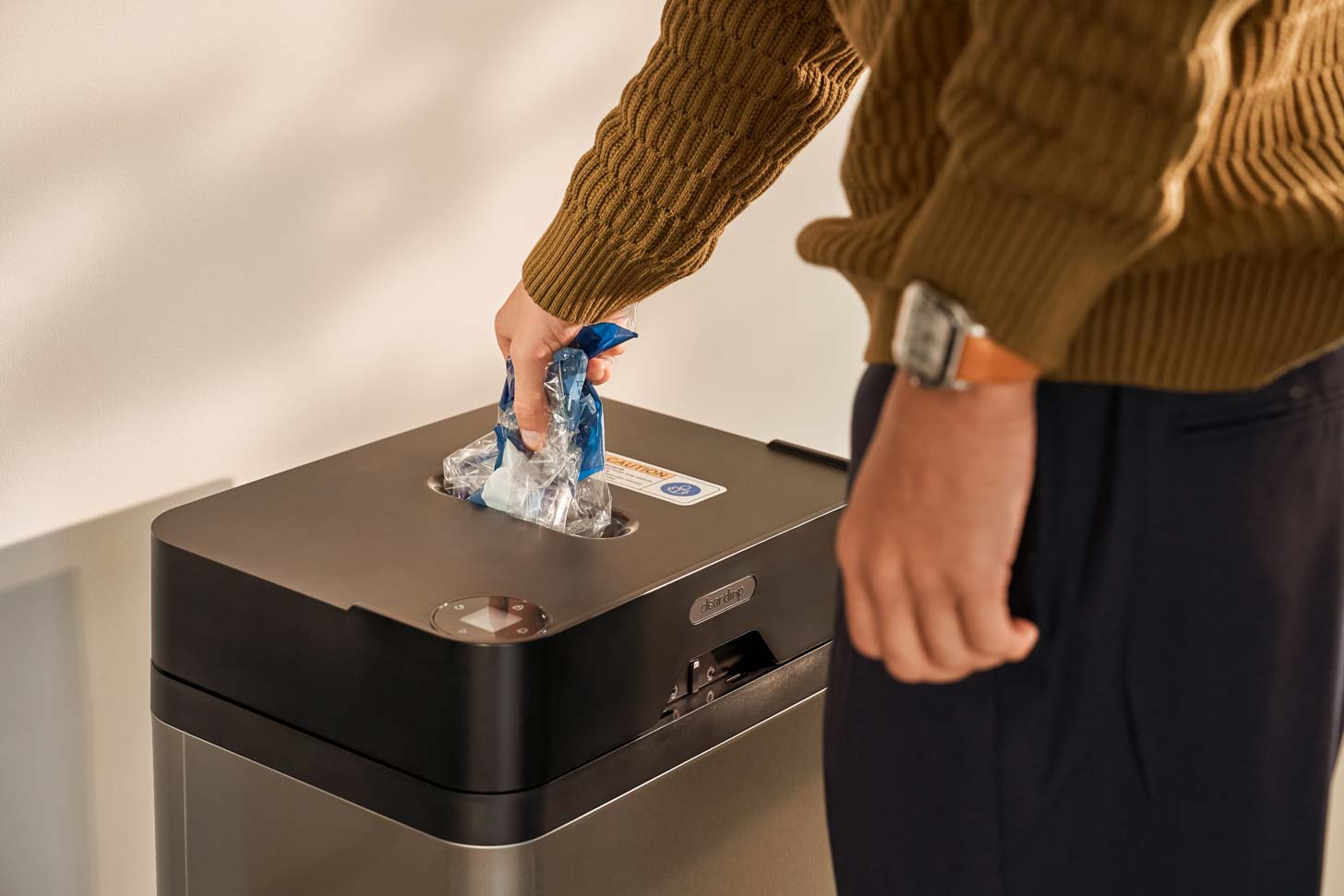
The first thing you notice about the SPC is its build quality. At 61 pounds, this isn't a flimsy trash can; it’s a serious piece of machinery. The stainless steel finish is sleek and fits right in with modern kitchen appliances, though its footprint is significant—you’ll want a dedicated spot for it near an outlet.
Hands-On Observations:
The Feed: I found that most mailers and grocery bags slide in without much effort.
The Interface: The "Lock" and "Start" buttons are tactile and responsive. The safety features are robust; the machine won't start the heat cycle unless it's fully locked, which is a relief if you have curious pets or kids.
Cleaning: Because it only handles dry, soft plastics, it stays remarkably clean. A quick wipe of the exterior is all I’ve needed in 30 days.
Pros:
Industrial-grade build quality that feels like it will last.
Tidies up the "plastic chaos" immediately.
Odors are non-existent since the plastic is clean and dry.
Cons:
Extremely heavy; not something you want to move frequently.
Requires a fair amount of floor space.
Performance: One Month of "Pre-Recycling"
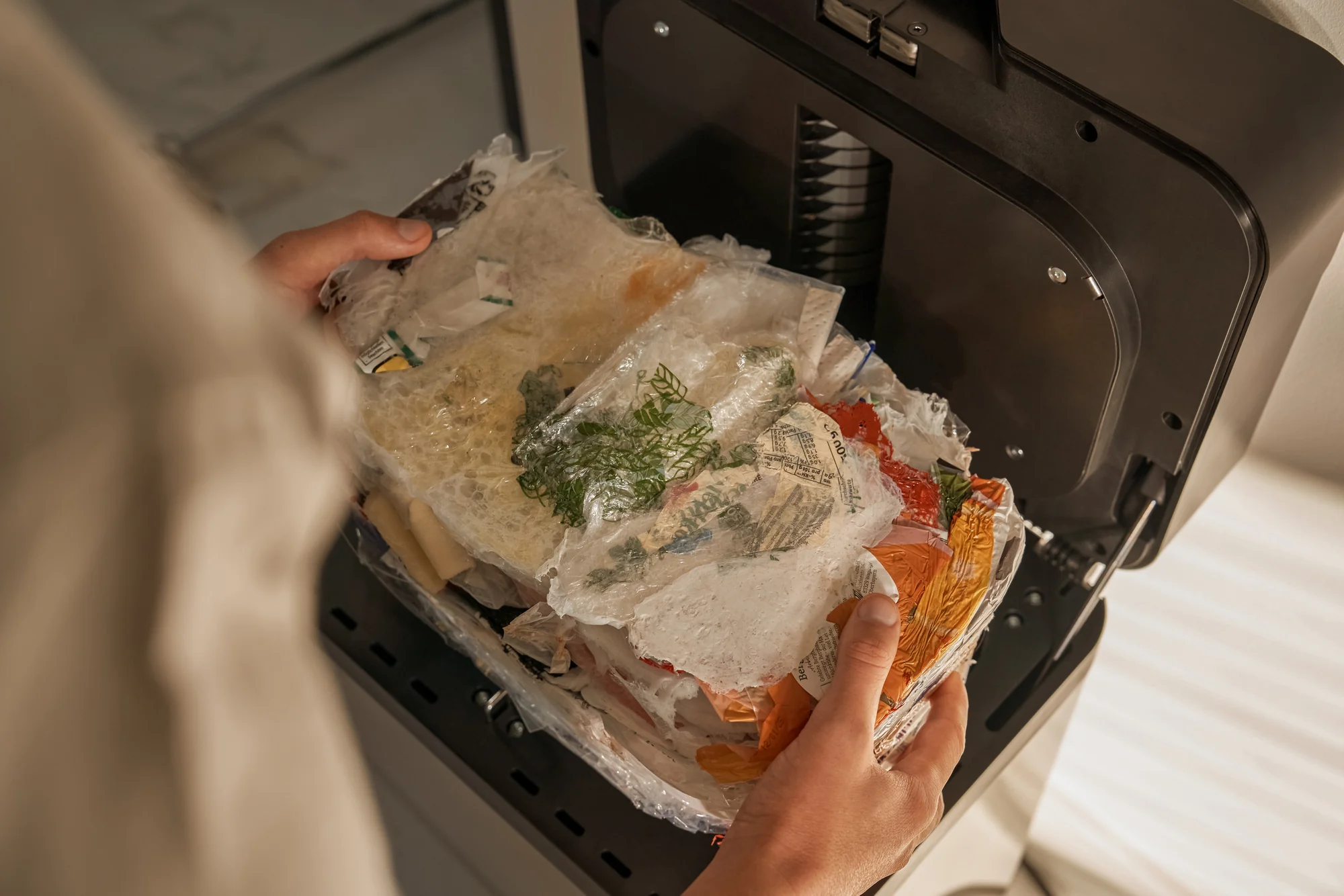
Living with the SPC for a month has been a lesson in volume. In a typical week, my household generates a surprising amount of film—from Amazon mailers to frozen veggie bags.
The Compaction Cycle:
Once the bin is full (which took about three weeks for us), you initiate the cycle. It takes about 30 minutes to form the block and another 3 hours to cool. The result is a dense, slightly fused plastic brick that feels incredibly satisfying to hold. According to Clear Drop, this reduces the volume by about 10:1, and my overflowing "bag of bags" was indeed replaced by a single, tidy block.
The Shipping Workflow:
This is where the subscription pays off. The $50/month includes prepaid mailers. I simply popped my 3-pound block into the provided envelope and left it for my mail carrier. Knowing it’s headed to a verified partner like Frankfort Plastics in Indiana—where it’s turned into durable goods like park benches—removes the "wish-cycling" guilt entirely.
Comparisons: How Does It Stack Up?
If you aren't ready for a dedicated appliance, there are other subscription-based ways to handle this waste.
1. Ridwell (Subscription Pickup)
Ridwell is a service that provides bins for various hard-to-recycle items (lightbulbs, threads, plastic film) and picks them up bi-weekly.
Cost: Typically $14–$24/month (Ridwell).
Pros: No upfront appliance cost; handles multiple categories (not just plastic).
Cons: You still have to store loose, fluffy plastic in a bin until pickup; limited service areas.
Best For: People who want a "one-stop-shop" for all tricky recyclables and don't mind the bin space.
2. TerraCycle Zero Waste Box (Mail-In)
TerraCycle offers specialized boxes that you fill and mail back when ready.
Cost: Boxes for plastic film often start around $124+ (TerraCycle).
Pros: No machine required; available nationwide.
Cons: Very expensive per shipment; no compaction, so you're mostly "shipping air."
Best For: Low-volume households or those with zero floor space for an appliance.
Verdict: Is the SPC Worth It?
After a month, the Clear Drop SPC has become a permanent fixture in my routine. It’s best for high-volume households that are tired of the plastic clutter and want a guaranteed, traceable recycling path.
Biggest Strengths:
Incredible space-saving through 10:1 compaction.
Seamless "mail-and-forget" recycling system.
Low energy cost (~$0.52/month).
Potential Drawbacks:
High total cost of ownership over 24 months.
The 3.5-hour total cycle time requires some planning.
Final Score: 8.5/10
The SPC is a premium solution to a common problem. While the price tag is high, the convenience and peace of mind it provides for a "zero-trash" lifestyle are unmatched by loose-bag alternatives.
About

Featured Posts