Espro P7 Press Coffee Maker - Review
How does the Espro P7 French Press hold up?
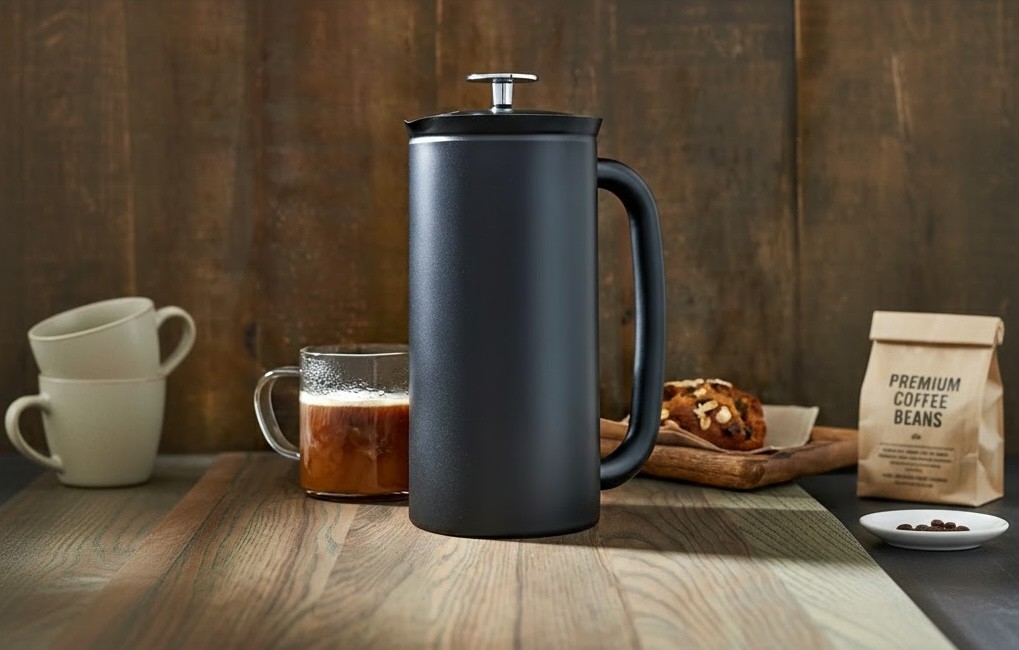
I first stumbled across the Espro P7 Stainless Steel French Press while going down a rabbit hole on “cleaner cup” French presses one late evening. Every time I looked for a way to keep the body of French press coffee but lose the sludge at the bottom, the Espro name kept coming up. It showed up in buyer guides, coffee forums, and gear round‑ups, usually with the same tagline: a French press for people who hate grit.
The 18 oz Espro P7 in particular caught my eye because it hits a sweet spot for 1–2 coffee drinkers. It promises better heat retention with a double‑walled stainless steel body and a dual micro‑filter system that aims to strip out the worst of the sediment. There is also a 32 oz version for larger households or serious caffeine crews, but my hands‑on time and impressions here are anchored on the 18 oz model.
In the US, the Espro P7 sits firmly in the “premium French press” tier—priced above the usual glass presses you see on big‑box shelves. It’s widely sold online, including via [AmazonAffiliateLink], and directly from Espro’s official site, where you can also find the dedicated P7 product page. As an Amazon Associate, I may earn from qualifying purchases.
My first impression? The Espro P7 feels more like a piece of barista hardware than a casual kitchen toy. It’s clearly built for people who think about grind size, extraction, and heat retention—not just “hot water plus coffee plus plunge.”
Key Specs
Feature | 18 oz P7 | 32 oz P7 |
|---|---|---|
Brew capacity | 18 oz / 532 ml | 32 oz / ~946 ml |
Minimum brew size | 15 oz (approx.) | 24 oz (approx.) |
Construction | Double‑walled stainless steel body | Double‑walled stainless steel body |
Filter system | Patented double micro‑mesh stainless filter | Patented double micro‑mesh stainless filter |
Insulation claim | Keeps coffee hotter for longer vs glass; real‑world about ~1 hour very hot | Same insulation behavior; better than glass but not a thermos |
Dimensions (L×W×H) | 5.6" × 3.8" × 9.1" (≈14.2 × 9.7 × 23.1 cm) | 6.7" × 4.6" × 10.1" |
Weight | ~1.9 lb / 0.86 kg | ~1.9 lb (listed; may vary slightly by source) |
Materials | Stainless steel body; plastic/polypropylene lid components; BPA/BPS/Phtalate‑free | Same materials and certifications |
Extras | Optional tea micro‑filter and paper filters; multiple color finishes available | Same accessory and color options |
Design Review
From the moment I picked up the Espro P7, it was obvious this is not a lightweight budget press. The double‑walled stainless construction gives it a reassuring heft, and the walls feel thick enough that you don’t worry about dinging or cracking anything during normal use. For a small footprint brewer, it feels surprisingly substantial on the counter in a good way.
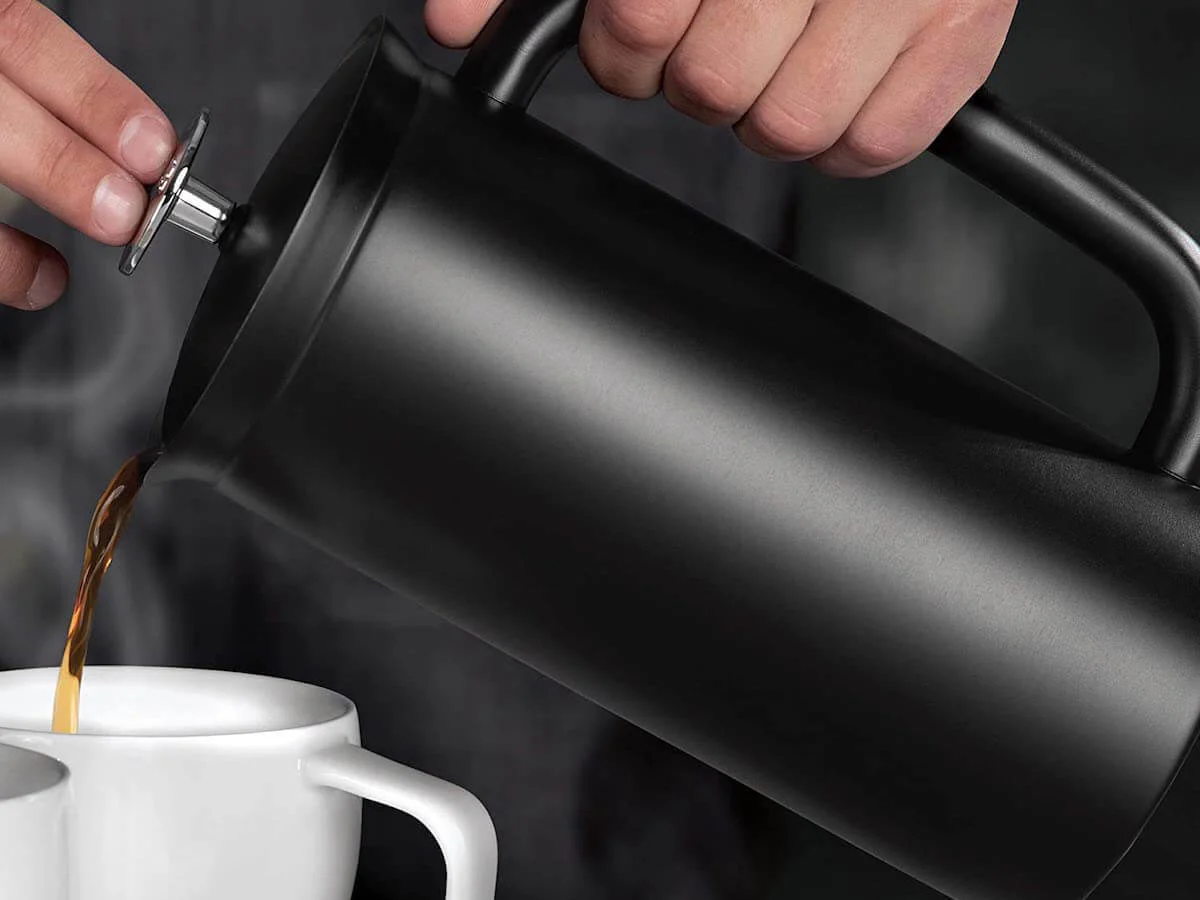
The handle is well‑sized for an 18 oz vessel. It gives you enough knuckle clearance to pour without brushing your hand against hot metal, and it feels stable when the press is full. The lid fits with a more engineered feel than standard presses—there’s less wobble, and the plunger movement is deliberate rather than loose or floppy. Pouring is controlled, with a spout that aims to minimize drips.
Aesthetically, the P7 is very much at home in a US kitchen full of stainless appliances. It looks more like a small thermal carafe than a traditional French press, so it blends in nicely next to a grinder and kettle. If you’re coming from a classic glass‑and‑metal look, the P7 feels more modern and “closed,” but that goes hand in hand with better insulation and durability.
Durability is one of the big design wins here. The P7 doesn’t have the fragility of glass—no more worrying about hairline cracks or accidental taps against the sink. Over time, you might pick up a few cosmetic scratches in the stainless, but it’s the kind of patina that tends to look intentional rather than damaged.
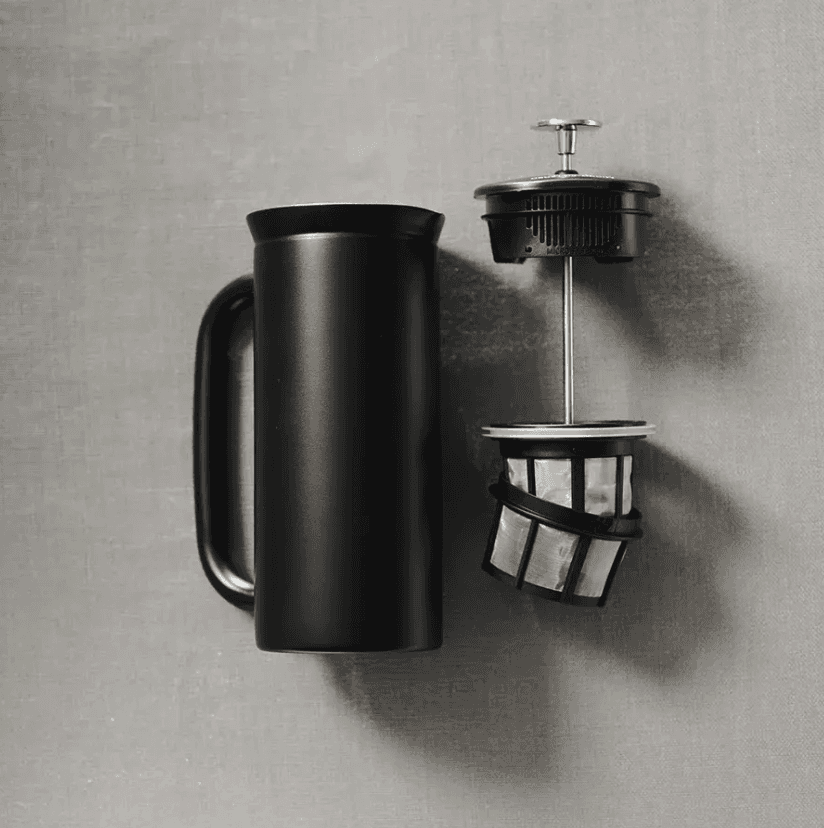
Cleaning is where the clever design pays off but also where you notice the trade‑offs. The dual micro‑filter assembly can be disassembled so you can rinse coffee fines out of both layers. That means a cleaner cup, but it also means more parts to separate, rinse, and occasionally deep‑clean. The 18 oz size is small enough that the hardware doesn’t feel unmanageable, but it’s still a step up in complexity compared with a single‑screen press.
Design pros
Solid, double‑walled stainless build that feels premium and durable.
Compact 18 oz footprint that suits 1–2 coffee drinkers perfectly.
Comfortable handle and confident lid/plunger assembly for controlled pouring.
Modern, appliance‑friendly look that fits nicely on a kitchen counter.
Design cons
Heavier than many similarly sized presses; not ideal if you want something ultra‑light.
Multi‑part filter stack adds complexity to cleaning and maintenance.
Some plastic components in the lid/filter assembly slightly undercut the “all‑metal” feel.
Pro‑tip: After brewing and pouring, pop the plunger out and give the filter a quick rinse before the coffee dries. Doing this immediately after use dramatically cuts down on how often you need a deep clean.
Performance of the Espro P7
This is where the Espro P7 really justifies the “best stainless steel French press” label for a certain type of coffee drinker.
In terms of brew clarity, the dual micro‑filter makes a noticeable difference compared with standard French presses. With a well‑dialed medium‑coarse grind, the last sip from the P7 is far less sludgy than you’d expect. You still get classic French press body—this is not pour‑over coffee—but the chunky grit and thick silt layer at the bottom of the cup are significantly reduced.
Filter effectiveness is impressive, but not magic. If you grind too fine, you can feel the resistance as you plunge, and the filter can trap more fines than it should. Once you’re in the right range, though, the plunger motion becomes smooth, and the dual screens do their job—capturing the tiny particles that would otherwise make your last sip unpleasant.
On taste, the P7 leans into what people love about French press while sanding off some of the rough edges. You get a rich, full‑bodied cup with more clarity than a basic metal‑filter press—acidity and sweetness come through more distinctly, with less muddy bitterness. If you’ve always liked the idea of French press but hated the sludge, the Espro P7 is exactly the kind of compromise you want.
Heat retention on the 18 oz model is clearly better than any single‑wall glass press. In a typical US kitchen, you can brew a pot, pour one mug, come back later, and still have drinkably hot coffee. It’s not a full vacuum thermos, but it buys you more time—especially useful if you sip slowly or share with one other person across a morning.
Day‑to‑day use with the 18 oz P7 is straightforward once you’ve set your grind correctly. The size is ideal for a solo coffee drinker or for two moderate‑size mugs, and it feels natural to build it into a weekday routine. The 32 oz version is the better pick for brunch or households where multiple people drink coffee at once, but the 18 oz shines as an everyday personal brewer.
The quirks are mostly tied to the very things that make the Espro P7 good. The minimum practical brew volume is relatively high for someone who just wants a tiny cup; brewing very small amounts tends to underperform. The dual filter rewards proper cleaning and punishes neglect—ignore it for too long and you’ll notice resistance or off flavors creeping in.
From a search perspective, phrases like “Espro P7 review,” “best stainless steel French press,” and “Espro P7 performance” genuinely match the experience: this is a press that targets people who want cleaner, hotter, more refined French press coffee in a stainless package.
Pro‑tip: Pair the Espro P7 with a consistent burr grinder and treat your grind like you would for a classic French press, then tweak slightly finer until you hit the sweet spot where the plunge is smooth but the cup is noticeably cleaner.
Comparisons
Espro P7 vs Fellow Clara French Press
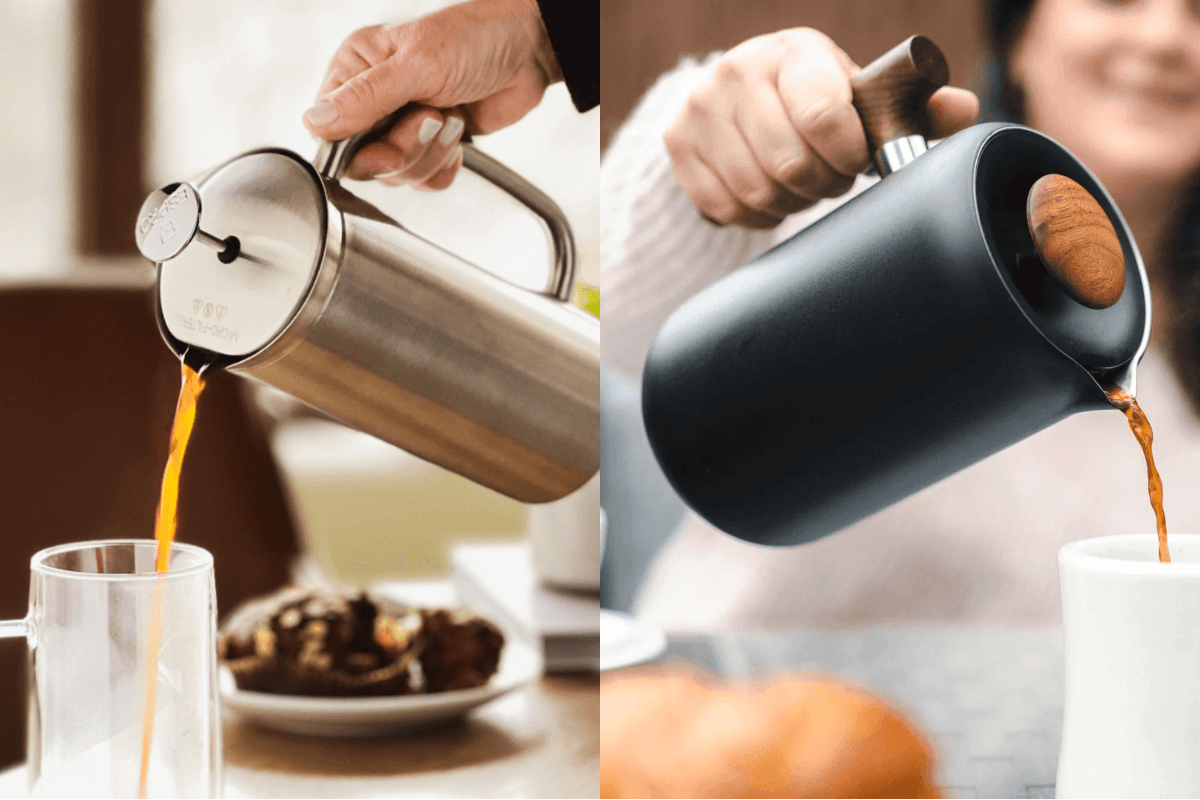
The Fellow Clara French Press is the design‑driven rival in this space. It’s modern, minimal, and engineered to feel approachable even for people who aren’t deep into coffee geekery. Think of it as the “Apple‑like” take on a French press.
Where the Fellow Clara has an edge is in its aesthetics and workflow. It looks incredibly sleek on a countertop, and features like clear fill lines or included stirring tools (depending on configuration) make the brewing process feel guided and intuitive. It’s the kind of brewer you can hand to a guest and feel confident they’ll figure it out.
The Espro P7 fights back on cup quality and durability. The dual micro‑filter gives the P7 a cleaner, less gritty cup than most single‑screen designs, and the stainless build feels more rugged and barista‑style. If you’re picky about sediment and you want something that can live on your counter for years, the P7 leans in your direction.
Who should choose which?
Pick the Fellow Clara if you prioritize modern design, ultra‑simple workflow, and a press that doubles as a showpiece.
Pick the Espro P7 if you care more about cleaner coffee and long‑term durability than about having the most stylish object on the counter.
Espro P7 vs Bodum Chambord French Press
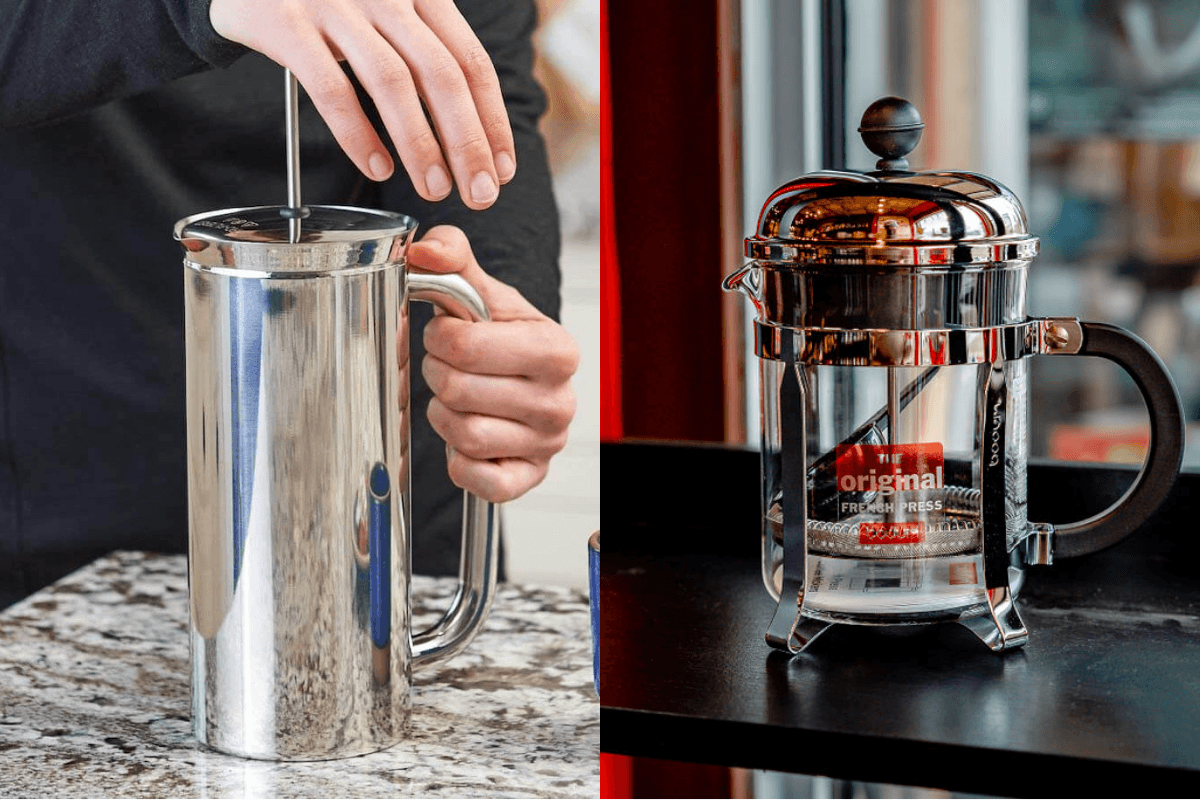
The Bodum Chambord is the classic French press many people in the US start with: glass beaker, metal frame, and a straightforward single metal filter. It’s widely available, relatively affordable, and visually iconic.
The Chambord wins handily on price and simplicity. It’s lighter, easy to see inside while brewing, and the parts are dead simple to disassemble and rinse. If you’re just getting into French press and you’re not ready to invest in a premium brewer, the Chambord makes a lot of sense.
The Espro P7, on the other hand, is what you graduate to once you know French press is your thing. It keeps coffee hotter for longer, shrugs off drops and bumps that would shatter glass, and dramatically cuts down on sludge in the cup. For many coffee lovers, that cleaner cup is enough reason to justify the price jump.
Who should choose which?
Choose the Bodum Chambord if budget is a top priority or you’re testing the French press waters for the first time.
Choose the Espro P7 if you’re already sold on French press and want a more durable, more refined, stainless upgrade that feels like a long‑term fixture in your coffee setup.
Verdict / Summary
The 18 oz Espro P7 Stainless Steel French Press is tailor‑made for US‑based coffee drinkers who love the richness of French press coffee but are tired of sludge, fragile glass, and lukewarm second cups. It’s especially well‑suited to solo drinkers or couples who want 1–2 solid mugs at a time, with the option of moving up to the 32 oz version if the household grows.
Its biggest strengths lie in the combination of a dual micro‑filter, a double‑walled stainless body, and a compact, premium feel. You get a noticeably cleaner cup than you would from most standard presses, better heat retention, and a brewer that feels like it can handle years of daily use. The 18 oz size makes it approachable and easy to fit into a morning routine.
The trade‑offs are real: this is a more expensive French press than the typical glass option, the filter system demands a bit more cleaning effort, and the minimum practical brew volume won’t thrill someone who only wants a tiny cup. If you’re price‑sensitive or hate dealing with multi‑part filters, a simpler press might make more sense.
For coffee drinkers who care about flavor clarity, durability, and a more professional‑feeling workflow, the Espro P7 is easy to recommend. On balance, as Chris H., this lands around an 8.8/10 in my book: not perfect, but an excellent choice if you’re looking for what many would call one of the best stainless steel French press options on the market.
If you decide to pick one up, you can usually find the Espro P7 18 oz on Amazon or directly from Espro’s official store at https://www.espro.com. As an Amazon Associate, I may earn from qualifying purchases.
About

Featured Posts