On the Radar: Could TheraLoop Make PEMF Therapy Truly Wearable?
TheraLoop aims to rethink how people use PEMF therapy. By shrinking the technology into a lightweight adhesive wearable, it promises a far more convenient experience than the treatment-session model many consumers associate with PEMF today.

Wearable wellness technology has exploded over the past few years, but most recovery devices still require setting aside time for a treatment session. Whether it's a full-body mat, a wired applicator, or a handheld device, many PEMF (Pulsed Electromagnetic Field) systems aren't exactly something that fits naturally into everyday life, not to mention the price tag it all comes with.
That's what first caught my attention about TheraLoop. Rather than building another mat or portable controller, TheraLoop is attempting to package PEMF therapy into a lightweight adhesive wearable designed to stay on the body while going about a normal day. If it delivers on that promise, it could make this type of wellness technology far more practical for people who don't want recovery to interrupt their routine.
Of course, it's worth remembering that TheraLoop is still a pre-launch product. This article is based on publicly available information from the company and should be viewed as a first look rather than a hands-on review.
Tech Specs
Specification | Details |
Unit Dimensions | 40 mm (1.57") |
Weight | <20 g (<0.7 oz) |
Patch Diameter | 120 mm (4.7") |
Antenna Diameter | 110 mm (4.3") |
Number of Coils | 1 |
Pulse Duration | 80 μs on / 760 μs off |
Frequency | 18–32 MHz (20 MHz rated) |
Peak Current | 12 mA |
Battery Capacity | 50 mAh |
Battery Life | Up to 8 hours |
Battery Voltage | 3.7 V |
Programs | One |
Daily Usage | Unlimited |
Charging | USB-C (1 h charge adds 8 hrs of use) |
Warranty | 2 Years |
MSRP | $299 |
Launch Offer | Starting from $169, includes 30 patches |
Estimated Shipping | October 2026 |
Design Review: The Promise of a "True Wearable"
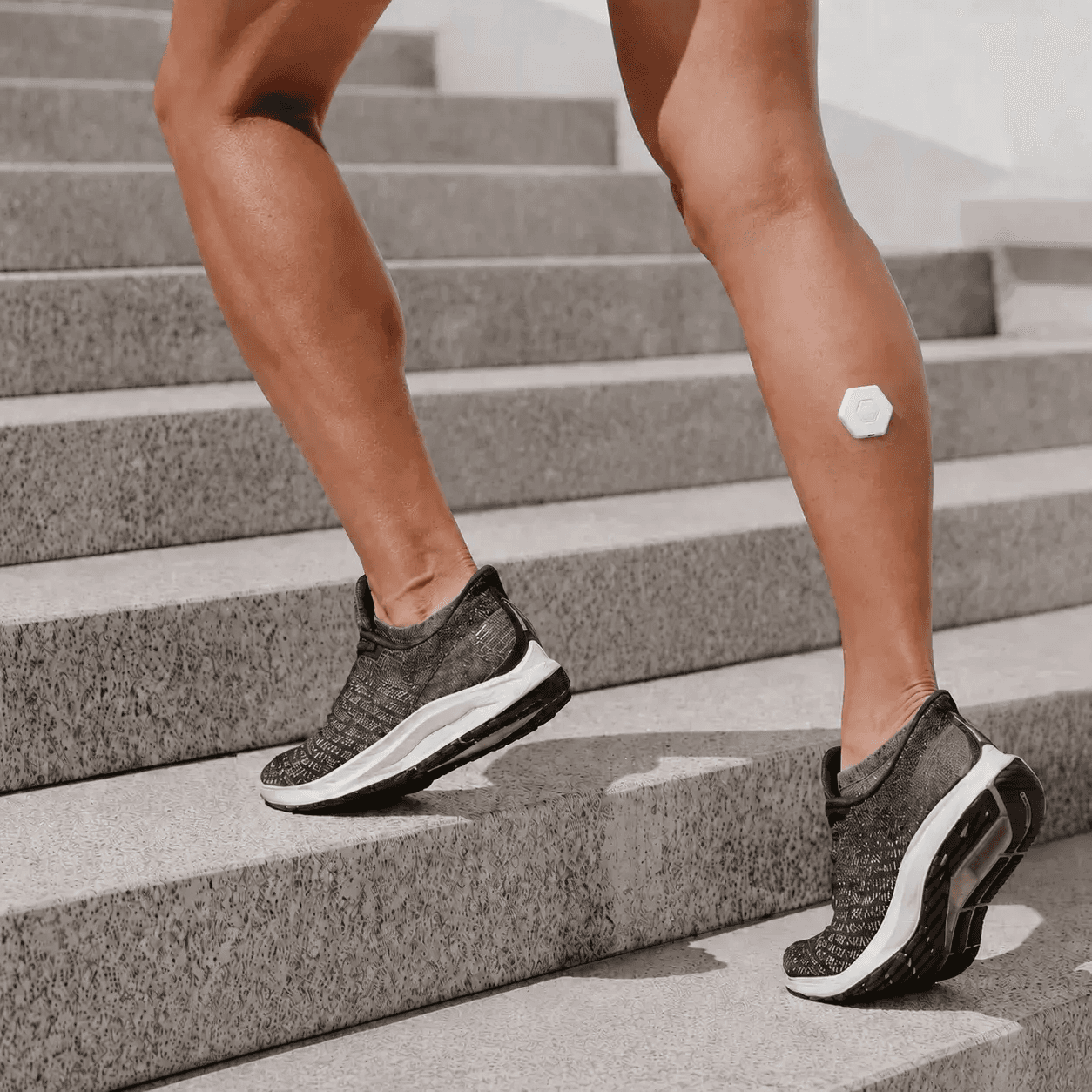
The biggest difference between TheraLoop and many existing PEMF products isn't necessarily the underlying technology, it's how the company wants people to use it.
Traditionally, consumer PEMF devices fall into a few familiar categories. Some are large mats that users lie on for dedicated treatment sessions. Others use wired applicators connected to a controller, requiring the user to sit or remain relatively stationary during use. While portable options certainly exist today, many are still designed around scheduled therapy rather than continuous wear.
TheraLoop is taking a different approach.
The system consists of a controller unit that attaches to a disposable single-use adhesive patch positioned directly over the treatment area. Weighing less than 20 grams, it's designed to sit comfortably underneath clothing while the user goes about daily activities. Charging is handled via USB-C, battery life is rated for up to 8 hours, and operation appears intentionally simple with a single mode and one-button control.
The appeal isn't that it promises more features than existing PEMF systems. Instead, it's attempting to remove as much friction as possible from using one. Rather than setting aside 20 or 30 minutes for therapy, the idea is that recovery simply becomes part of the day, whether sleeping, commuting, working at a desk, or relaxing at home.
If that experience lives up to expectations, it could be one of the more interesting developments in consumer PEMF devices.
PEMF vs. TENS: What's the Difference?
Many people shopping for drug-free pain relief have probably come across TENS units before. While both TENS and PEMF devices are often mentioned in similar conversations, they work in very different ways.
PEMF | TENS |
Uses pulsed electromagnetic fields | Uses electrical impulses |
Magnetic fields pass through tissue | Electrical current travels through the skin |
No sensation while using it | Creates a noticeable tingling or muscle stimulation often described by users as "zap" or "bite" |
Supports faster recovery, circulation and cellular function | Provides temporary pain relief by interrupting pain signals |
Passive therapy that's generally not felt during use | Therapy is actively felt during treatment |
In simple terms, a TENS unit works by sending small electrical pulses through the skin that distract the brain and help reduce the perception of pain. A PEMF device, on the other hand, uses low-frequency electromagnetic fields and doesn't rely on electrical stimulation, which is why users generally don't feel the treatment itself.
Neither technology is inherently "better" than the other, they simply approach pain management and recovery differently.
How Does It Compare? TheraLoop vs. Celler8
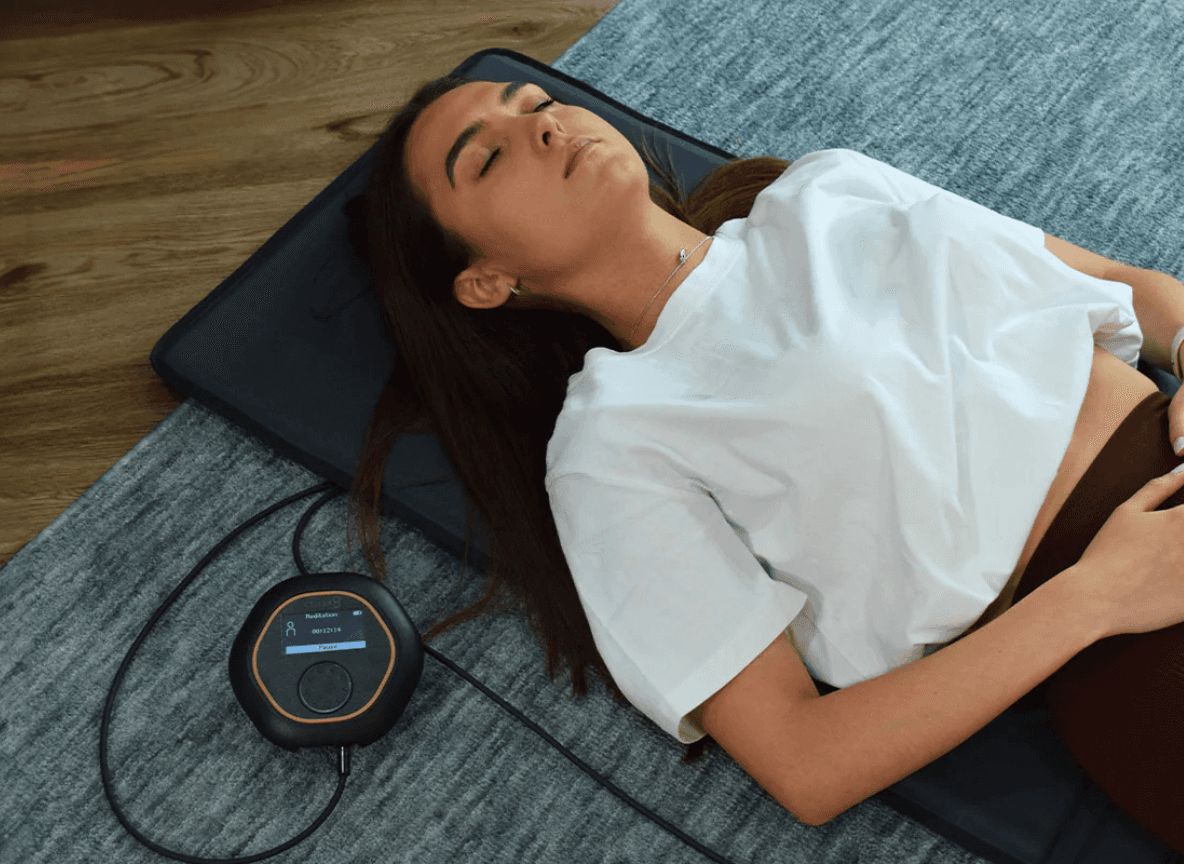
One of the more established names in consumer PEMF is Celler8, making it a useful point of comparison for understanding where TheraLoop fits into the market.
Celler8 follows a more traditional approach to PEMF therapy. Its system uses a rechargeable controller connected to applicators via cables, with users completing dedicated treatment sessions. The company has been selling PEMF devices for several years and has built an established customer base around a more conventional setup.
TheraLoop, by comparison, is focused less on expanding functionality and more on simplifying the experience. Instead of wires and separate applicators, it aims to deliver localized PEMF therapy through a lightweight adhesive wearable that can stay attached during normal daily activities. It's a fundamentally different philosophy. One prioritizes flexibility through configurable hardware, while the other prioritizes convenience and wearability.
Quick Comparison
Feature | TheraLoop | Celler8 |
Availability | Pre-order (Estimated October 2026) | Available now |
Price | $169 launch offer ($299 MSRP) | From $1680 |
Form Factor | Adhesive wearable patch | Wired controller with applicators |
Weight | <20g wearable | 0.7oz | 250g | 8.8oz |
Programs | One | 5 treatment options |
Usage Style | Designed for all-day wear | Dedicated treatment sessions |
Charging | USB-C rechargeable - 1 h of charge adds 8 hrs of use | Dedicated charger - 5 hrs of charge adds 7 hrs of use (at 100% intensity) |
Neither product necessarily replaces the other. Readers looking for a mature, established ecosystem may appreciate Celler8's broader range of accessories and availability today. Those interested in the smallest possible wearable solution, however, may find TheraLoop's approach far more appealing if it performs as advertised.
Questions We'd Still Like Answered
As promising as the concept looks, there are still several questions that only real-world use can answer.
How comfortable is the adhesive patch over an entire workday?
How well does it stay attached during exercise or hot weather?
Will independent reviewers validate the company's claims?
These aren't criticisms as much as the natural questions that come with any first-generation product before independent reviews become available.
Is the Preorder Worth Considering?
TheraLoop is certainly one of the more interesting wellness gadgets currently on our radar. Its emphasis on making PEMF genuinely wearable feels like a logical evolution for a technology that's often associated with larger treatment setups.
The preorder is also relatively low commitment. A refundable $5 reservation secures access to introductory pricing, which starts at $169 compared to the planned $299 retail price.
That said, it's still a preorder from a new company. While the estimated shipping date is October 2026, launch timelines can change.
Final Thoughts
TheraLoop aims to rethink how people use PEMF therapy.
By shrinking the technology into a lightweight adhesive wearable, it promises a far more convenient experience than the treatment-session model many consumers associate with PEMF today. Whether that promise translates into real-world performance remains to be seen, but it's certainly one of the more intriguing approaches we've come across in the wellness tech space.
From a gifting perspective, TheraLoop has the potential to make an excellent gift for someone who enjoys discovering emerging wellness technology before it becomes mainstream. The only caveat is its preorder status.
For now, TheraLoop earns a spot firmly on our radar and we'll be watching closely to see whether its vision of a truly wearable PEMF device becomes reality.
About

Featured Posts