>
>
On the Radar: Nirva AI Necklace — AI jewelry for emotional insight (CES 2026 first look)
On the Radar: Nirva AI Necklace — AI jewelry for emotional insight (CES 2026 first look)
A wearable concept that tries to make journaling and self-awareness feel effortless—and look good doing it.
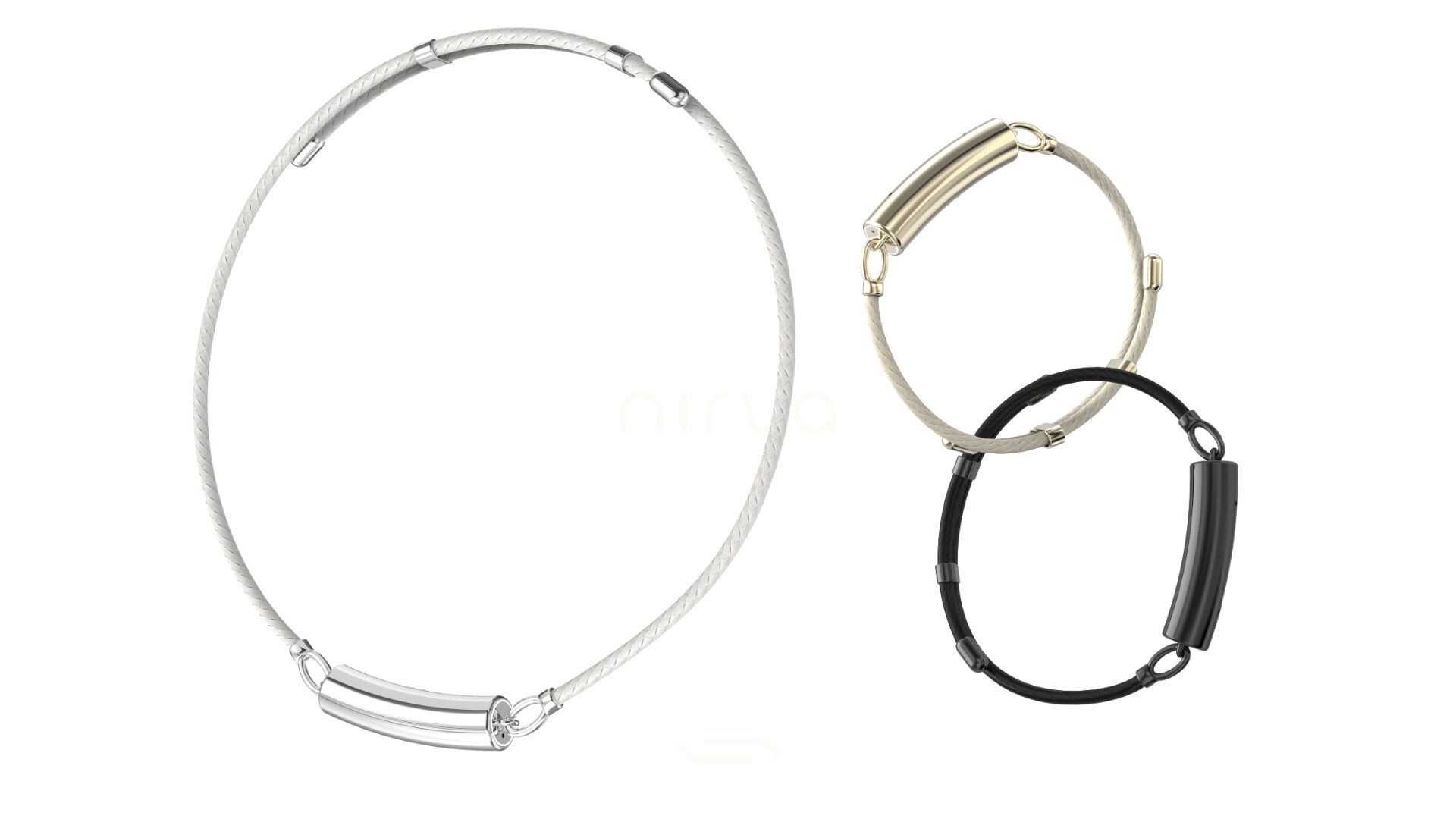
The Nirva AI necklace was one of those interesting finds that popped up across CES coverage feeds. The more I saw the same little pendant mentioned, the more it felt like the kind of smart lifestyle product worth pausing for.
That’s what made me want to do a first-look write-up. In a year where a lot of CES headlines were still about brighter screens and faster chips, Nirva’s pitch was unusually human: less about chasing stats, more about capturing the emotional texture of a day. The promise is basically a quality-of-life upgrade for anyone who likes the idea of journaling and self-awareness, but doesn’t want another screen—or another sporty band—on their body.
My initial impression? It’s a gorgeous, ambitious piece of AI jewelry that aims to solve a very everyday problem: remembering how a day felt, not just what happened. Whether the product will hold up in real life is the big question, but the concept alone earns a spot in the “On the Radar” column.
Reported Price: ~$200 for the module
Reported Subscription: $12–$14/month (subject to change)
Availability: Pre-orders reported to start early 2026
Official Website: Nirva
Key Specs (As Reported, Subject to Change)
Feature | Specification |
|---|---|
Materials | Hypoallergenic Titanium for the main device. Can be worn as a bracelet or necklace (different materials). |
Weight | 0.35 oz |
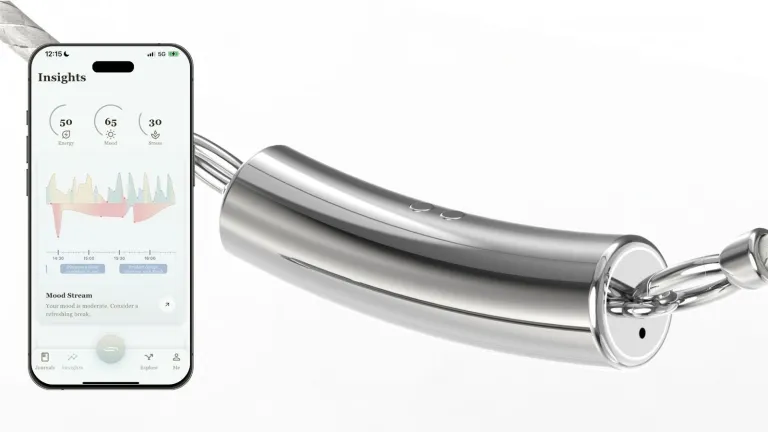
Dimensions | 1.57 x 0.39 in |
Battery Life | Estimated 2 days |
Charging | Docking Station "Jewelry Box" portable charger |
Sensors | Dual mics, IMU, Ambient Light/UV |
Water Resistance | IP67 mentioned; to be confirmed at launch |
Finishes/Colors | Polished Silver, Brushed Silver, Polished Gold, Polished Black (Pendant Housing) |
Design Review: Jewelry First, Tech Second

Image Source: CNET
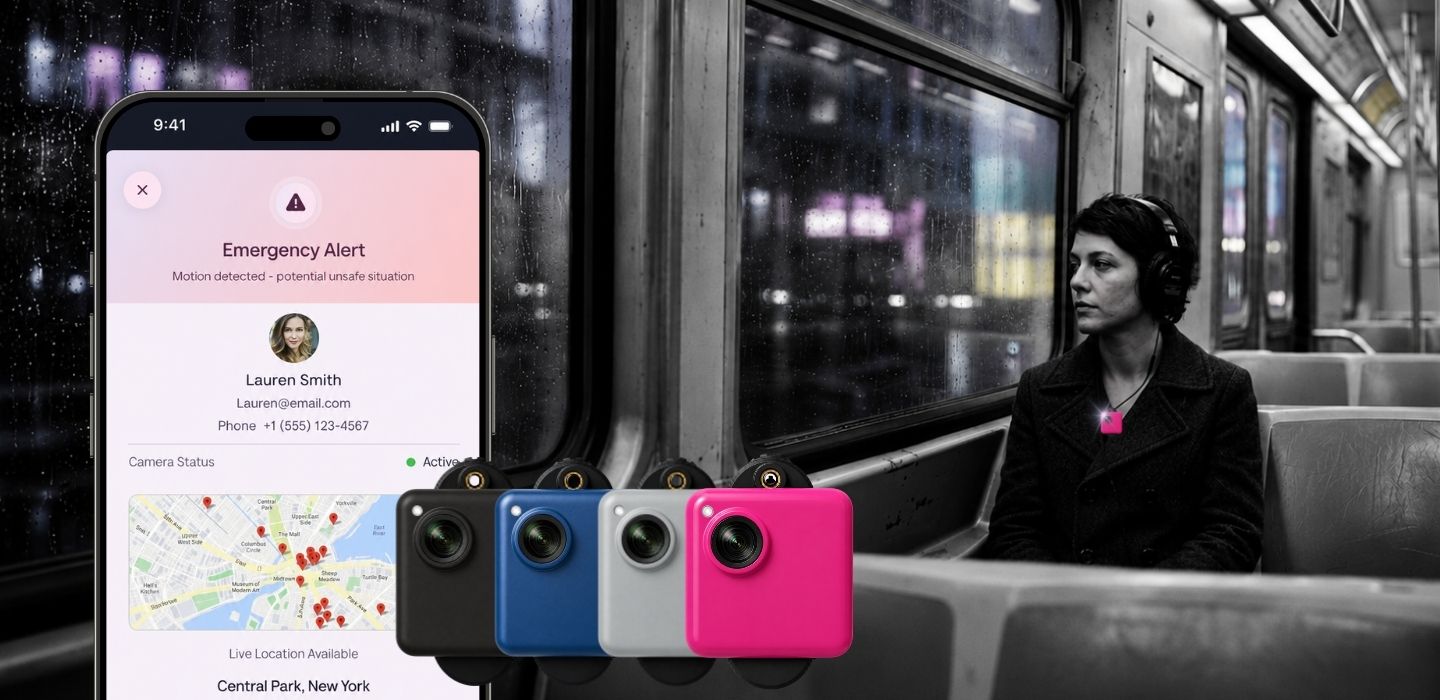
The standout feature of the Nirva is its versatility. It’s a small, pill-shaped titanium module that can be swapped between a necklace and a bracelet. In a world where most wearables scream "I’m tracking my heart rate right now," Nirva whispers. It’s lightweight at just 0.35 oz, making it easy to forget you’re even wearing it.
The build quality appears premium, using hypoallergenic titanium that should hold up well to daily wear. The aesthetic is minimalist and chic, clearly aimed at an audience that values fashion as much as function.
Design Pros:
Genuinely beautiful, discreet form factor.
Versatile wear styles (necklace or bracelet).
Lightweight and hypoallergenic.
Design Cons:
2-day battery life is short compared to smart rings.
Charging method details are still slightly inconsistent in early reports.
What looks great vs. what gives pause (so far)
The Great:
The "auto-journaling" feature is the real hook. By using environmental cues and subtle voice/motion data, the app tries to reconstruct your day, noting when you were stressed, energized, or socially drained. If it works as promised, it could be a game-changer for self-reflection without the manual labor of writing everything down. The "AI Coach" also promises personalized nudges—like suggesting a walk after a particularly tense meeting.
The Not-So-Great:
Privacy is the elephant in the room. Any device with microphones and "contextual awareness" requires a high level of trust. While Nirva emphasizes privacy-first processing and the fact the pendant mic can be turned off, users will need to be comfortable with the idea of an AI "listening" to the rhythm of their lives. There’s also the question of accuracy—can an algorithm truly understand the nuance of human emotion?
Gadget Gift Guide: Who is this for?
A great gift for:
The "Quantified Self" enthusiast who already tracks sleep but wants deeper emotional insights.
Someone who loves the idea of journaling but lacks the time or discipline to do it manually.
Jewelry lovers who want smart features without the "techy" look of a watch.
Who should probably skip:
Anyone with strict privacy concerns regarding microphones or AI data processing.
Users who are already suffering from "subscription fatigue" and don't want another monthly bill.
Comparisons: Nirva vs. The Heavy Hitters
Nirva vs. Oura Ring
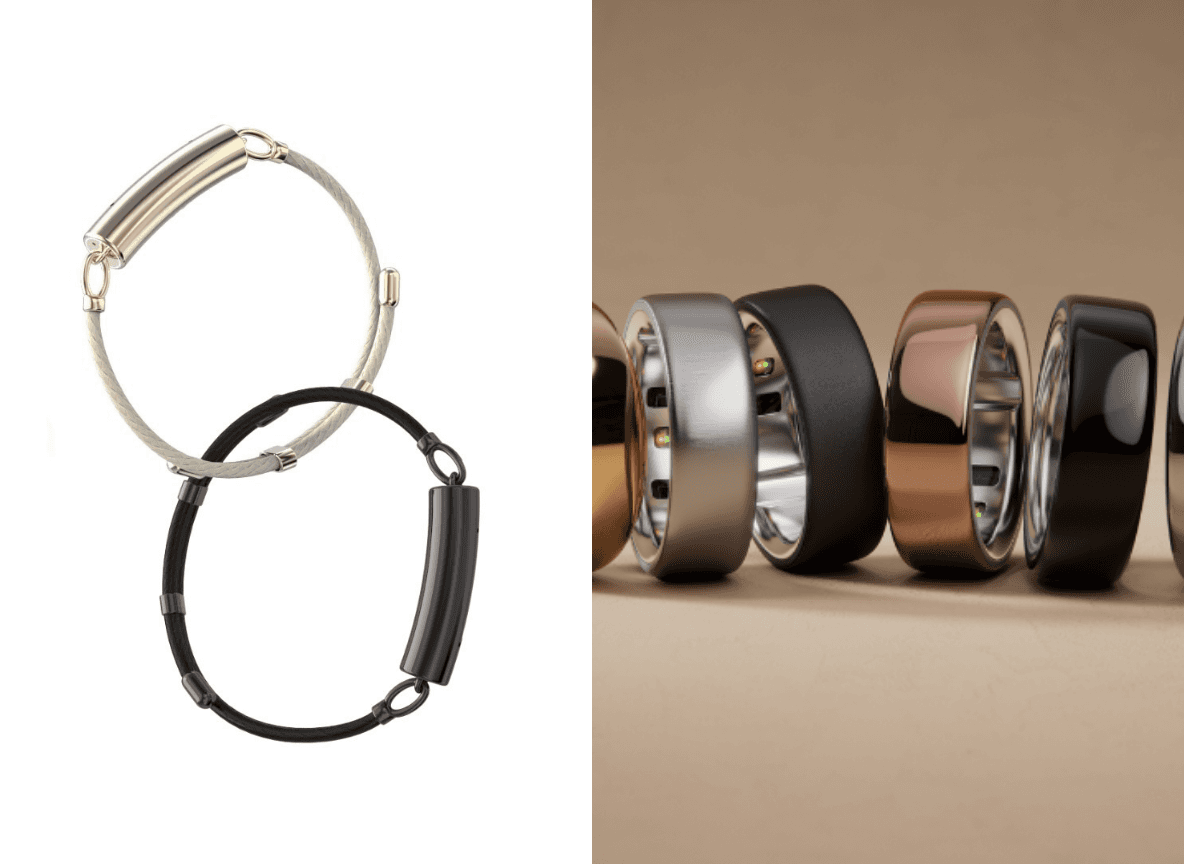
The Oura Ring has been around as a standard for discreet health tracking, focusing heavily on sleep and physical recovery. While Oura is a ring, Nirva is a necklace/bracelet. Oura’s subscription is significantly cheaper at $5.99/month (Oura), whereas Nirva is currently reported at $12–$14/month. Choose Oura for physical health; keep an eye on Nirva for emotional and social insights.
Nirva vs. WHOOP
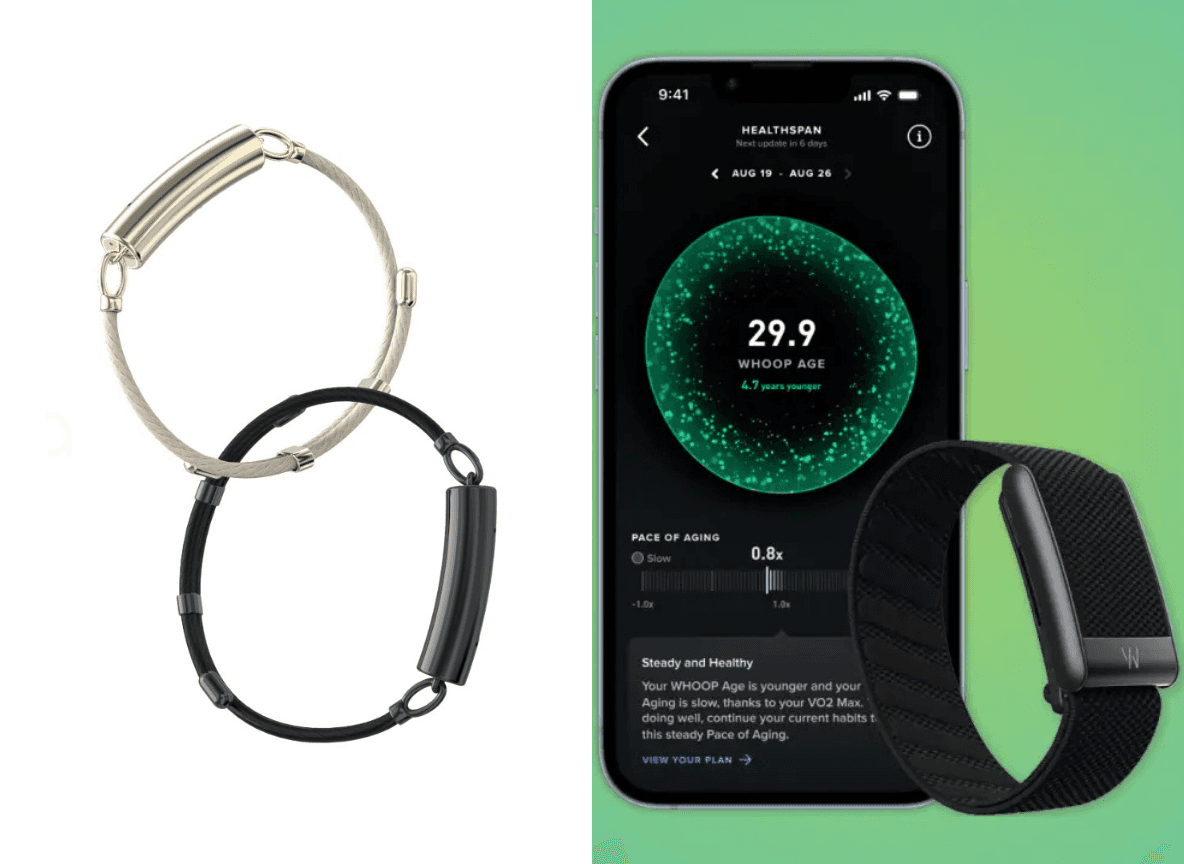
WHOOP is a performance-driven wearable for athletes, focusing on "strain" and recovery. It has no screen and uses a subscription-only model (roughly $16–$30/month depending on the plan). Nirva is much more "lifestyle" and "wellness" oriented. If you want to hit a PR in the gym, get a WHOOP. If you want to understand why your Tuesday afternoons always feel so draining, Nirva is the more interesting prospect.
Verdict
The Nirva AI Necklace is one of the most refreshing concepts to come out of CES 2026. It’s a bold attempt to move wearables away from the wrist and into the realm of emotional wellness. While the reported subscription price is on the higher side and the privacy implications are worth considering, the "auto-journaling" promise is hard to ignore.
For now: keep it on your radar—and sign up to their email list on their official website to stay updated on the launch.
About

Featured Posts