LeafyPod Review: The Smart Planter That Actually Keeps Plants Alive
An AI-powered, self-watering planter that learns your plant's needs and adjusts its watering schedule automatically - but does it work actually?
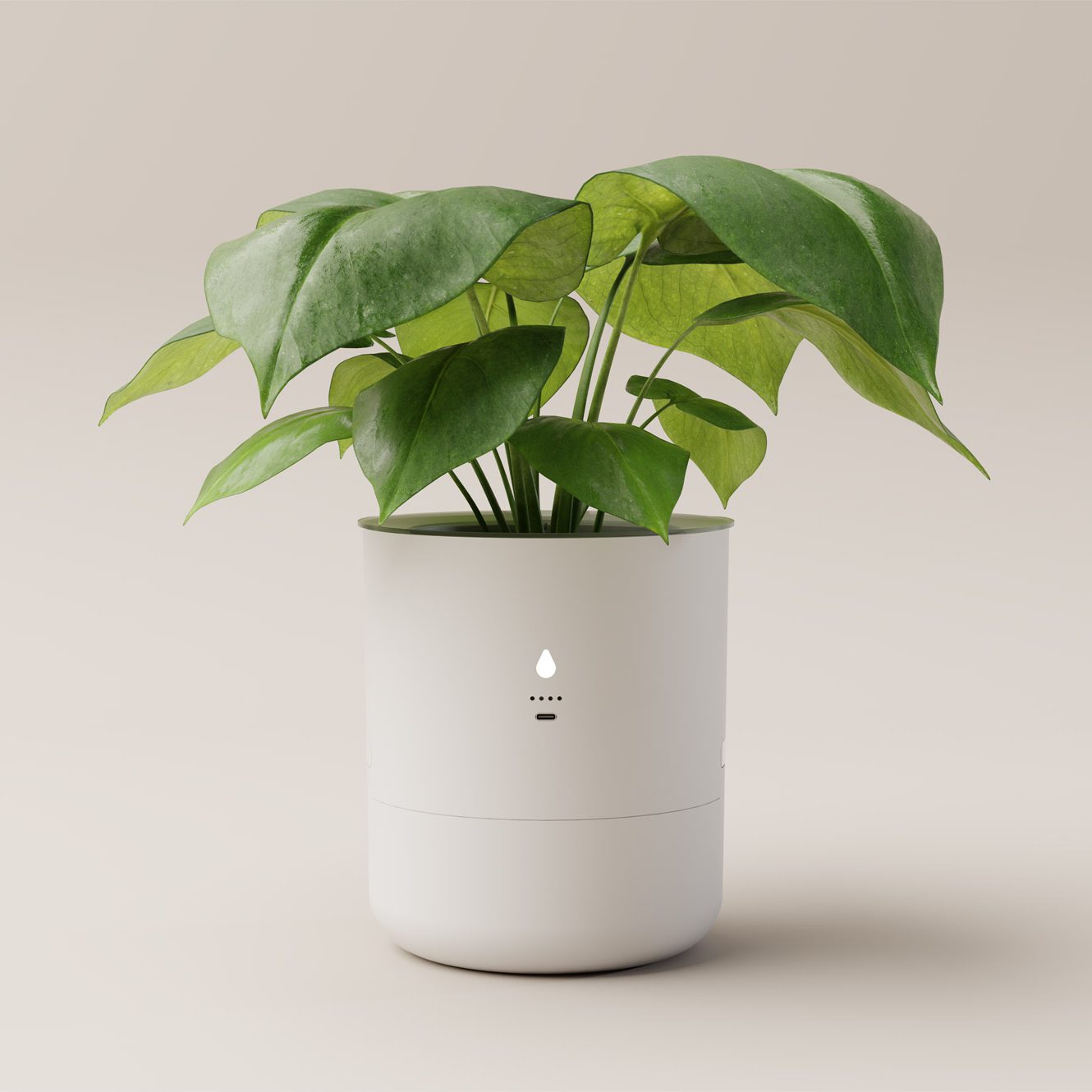
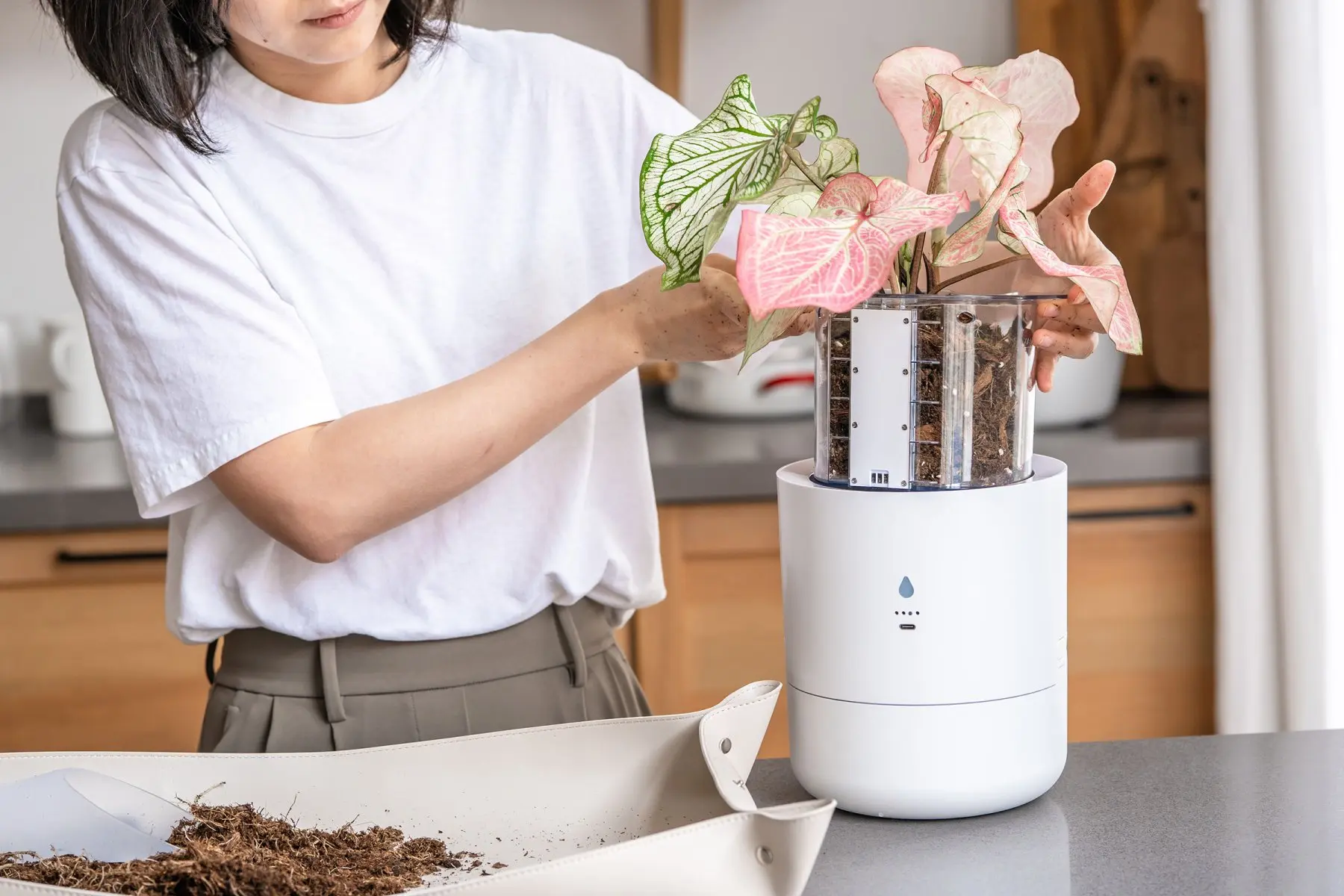
I first heard about LeafyPod scrolling through the CES 2025 coverage and TIME's "Best Inventions" list. The pitch was simple but intriguing: an AI-powered, self-watering planter that learns your plant's needs and adjusts its watering schedule automatically. As someone who's always been fascinated by how smart home tech can solve real-world problems (like keeping my plants healthy — pressing, I know), I decided to dig in. After spending time with the LeafyPod, I can say it's one of the more thoughtfully designed smart devices I've tested—it looks like a minimalist pot, but it's genuinely intelligent about keeping plants alive.
Price & Availability
The LeafyPod Planter (without the Bridge) is currently $112 (38% off the regular $180), and the Starter Pack runs from $127 (discounted from $195). It ships to the US and Canada. You can grab one from the official LeafyPod website, and it's also available through Amazon.
Key Specs at a Glance
Spec | Details |
|---|---|
Materials | Durable plastic, water-resistant with conformal coating |
Weight | 950 g (2.1 lbs) |
Dimensions | External: 6.8" × 7.9" (172 mm × 200 mm); Inner pot: 5.1" × 4.1" (130 mm × 105 mm) |
Water Reservoir | 29 oz / 860 ml (lasts ~4 weeks) |
Filter System | Dual-filter: reusable pump filter + replaceable bottom filter; circular "sprinkle and drain" mechanism |
Sensors | Soil moisture, temperature, humidity, light |
Battery Life | 3+ months per charge; USB rechargeable |
Connectivity | Via LeafyPod Bridge (Wi-Fi hub for multiple planters) |
Compatible Plants | 100+ houseplants in app; LeafyLearn for custom species |
Colors | Classic white (more colors planned) |
Warranty | 1-year limited (manufacturing, electronics, sensors, materials) |
Design: Form Meets Function
The first thing that strikes you about LeafyPod is how normal it looks. It's a white, cylindrical pot with a subtle water-droplet-shaped light indicator on the front. There's no visible pump, no dangling cables, no "gadget" aesthetic screaming from your shelf. That's intentional, and it's a win.
The build quality feels solid. The plastic is chosen specifically for water exposure and structural integrity—no cheap, brittle feel. What impressed me most is the modular design. The inner soil pot, filter holder, and water reservoir all come apart easily for cleaning. You can access the reservoir from the bottom, rinse it out, and reassemble in under a minute. The transparent inner pot is a nice touch too; you can actually see the roots and soil aeration, which gives you confidence the system isn't creating a swamp at the bottom.
At 950 grams (about 2.1 pounds), it's substantial but not unwieldy. The footprint is larger than a standard terracotta pot of similar height, so you'll want to plan your shelf space accordingly. The single-size-only approach is a minor limitation if you're hoping for a tiny succulent version or a large statement plant option, but the current dimensions work well for most common houseplants.
What stands out:
Minimalist, decor-friendly design that doesn't scream "smart device"
Transparent inner pot lets you see root health and soil aeration
Modular construction makes cleaning and filter swaps straightforward
Cordless placement thanks to 3+ month battery life
Design tradeoffs:
Only one size available (more planned, but not yet)
Larger footprint than traditional pots
Primarily white finish (though more colors are coming)
Requires a separate Bridge for Wi-Fi connectivity
Performance: Where the Magic Happens
Self-Watering & the 4-Week Claim
LeafyPod promises you can refill the 29 oz reservoir roughly once a month. In practice, this holds up—with caveats. A low-thirst plant like a pothos or snake plant in a moderate-humidity room? You'll easily stretch to 4 weeks. A thirstier plant like a calathea or fern in a dry winter apartment? Expect closer to 2–3 weeks. The key is that the system adapts to your specific environment, not some generic watering schedule.
The circular "sprinkle and drain" mechanism is clever. Water distributes from the top, mimicking natural rainfall, then excess drains back into the reservoir through a multilayer filter system. This prevents the soggy-bottom-soil problem that kills more plants than underwatering. After a few weeks, the soil stays consistently moist but never waterlogged—you can feel the difference when you touch it.
Adaptive Learning & the First Few Cycles
When you first set up LeafyPod, you tell the app what plant you're growing. The system then monitors how soil moisture changes after each watering cycle. After 3–5 waterings, it builds a personalized routine. I tested this with a monstera and a pothos, and by week two, the app had nailed the watering schedule for each. The adaptive AI isn't marketing fluff; it genuinely learns.
That said, the system isn't magic. If you move the plant to a sunnier window or the seasons change dramatically, you might need to give it a week or two to recalibrate. But the app makes it easy to manually adjust if needed, and the notifications keep you in the loop.
Sensor Intelligence & Real Notifications
The four sensors—soil moisture, temperature, humidity, and light—feed into the app, which sends notifications when something's off. Here's what matters: the alerts actually correlate with what your plant needs. When the light sensor flagged "insufficient light," I noticed the monstera's new leaves were smaller. When humidity dropped below 40%, the calathea started showing crispy edges. These aren't false alarms; they're genuinely useful.
The temperature alerts are particularly handy in winter. LeafyPod will nudge you to move a plant away from a cold window or closer to a heat source. It's the kind of gentle guidance that prevents the "oh no, I didn't realize it was freezing by the glass" moment.
Pro tip: If you have multiple plants around your home, the sensor data from LeafyPod can inform how you care for your other plants too. I found myself using the humidity and light readings to rearrange my entire plant collection, not just the one in the pot.
Drainage & Root Health
The dual-filter system (reusable pump filter + replaceable bottom filter) keeps the water clean and the roots happy. After 6 weeks, I pulled out the inner pot to inspect the soil. It was airy, not compacted. The roots visible through the transparent pot looked healthy and white, not brown and mushy. The lack of a musty smell was another good sign—no anaerobic rot happening down there.
Filter maintenance is straightforward. The app reminds you every 3–6 months to clean or replace filters, depending on plant type and usage. I cleaned the reusable filter under running water; it took 30 seconds. The replaceable filter packs are affordable (a 3-pack is $25 on the LeafyPod site), so ongoing costs are minimal.
App & AI Plant Identification
The LeafyPod app is clean and intuitive. You can snap a photo of your plant, and the AI identifies it and pulls up a care profile. For the 100+ plants in the database, this works instantly. For plants outside the database, the "LeafyLearn" feature kicks in—the system gathers data from your inputs and sensor readings, building a custom profile over time. It's a smart way to handle the long tail of rare or unusual houseplants.
The app also displays real-time sensor data, watering history, and upcoming maintenance reminders. The notifications feel personalized, not spammy. And yes, the co-founder's claim that "plants can finally chat back" is a bit tongue-in-cheek, but it captures the vibe: the app gives your plant a voice, and you listen.
Bridge & Connectivity
The LeafyPod Bridge is a small Wi-Fi hub that connects your planter to the internet. Setup is standard: download the app, scan a QR code, connect to your Wi-Fi. The Bridge has a decent range (I tested it across a 1,200 sq ft apartment with no issues) and keeps power consumption low on the planter itself, which is why the battery lasts 3+ months.
If you're planning a multi-planter setup, the Bridge is a smart design choice—one hub can manage multiple LeafyPods. If you're starting with just one, the Bridge feels like a necessary add-on ($48 on the LeafyPod site), but it's worth it for the reliability and the ability to monitor your plant remotely.
Comparisons: How LeafyPod Stacks Up
LeafyPod vs. LetPot Smart Pot
LetPot is a solid competitor in the smart planter space, offering app-based watering and plant monitoring. Here's how they compare:
LeafyPod's advantages:
More sophisticated adaptive AI that learns your specific environment
Four environmental sensors (vs. LetPot's focus on watering)
Sleeker, more minimalist design that blends into home decor
Longer battery life and larger reservoir capacity
LetPot's advantages:
Often more affordable entry point
Wider range of sizes available
Simpler setup for users who want less tech involvement
Best for: LeafyPod wins if you're design-conscious, tech-forward, and want maximum automation. LetPot is better if you're budget-conscious or prefer a simpler ecosystem.
LeafyPod vs. Click & Grow Smart Garden
Click & Grow is a different beast—it's a pod-based system with built-in grow lights and a water tank, designed for herbs and edibles in any room.
LeafyPod's advantages:
Works with your existing houseplants (no special pods needed)
Integrates seamlessly with home decor
Tracks ambient room conditions, not just the pot
Better for foliage plants and larger specimens
Click & Grow's advantages:
All-in-one solution with grow lights (no separate lighting needed)
Ideal for herbs, microgreens, and edibles
Plug-and-play simplicity
Better for dark kitchens or windowless spaces
Best for: LeafyPod if you're a plant parent trying to keep your monstera and pothos alive. Click & Grow if you want to grow fresh basil and lettuce year-round indoors.
The Verdict
LeafyPod is best for busy plant lovers, frequent travelers, beginners who've killed plants before, and smart-home enthusiasts who want to automate one more corner of their lives. It's also great for anyone who's ever wondered, "Why did my plant die?" and wants data-driven answers.
Biggest strengths:
Genuinely adaptive self-watering that learns your plant's needs
Four-sensor monitoring that catches problems before they're visible
Sleek design that doesn't look like a gadget
3+ month battery life and ~4-week reservoir capacity
Solid 1-year warranty and responsive support
Potential drawbacks:
Price point ($112–$195) is higher than basic planters
Single size limits options for very small or very large plants
Bridge add-on ($48) is necessary for full functionality
Ongoing filter replacements (though affordable)
Requires some comfort with app-based monitoring
The bottom line: LeafyPod is one of the smartest smart home devices I've tested because it solves a real problem—plant death—without overcomplicating the solution. It looks good, works reliably, and actually makes you a better plant parent. If you've ever felt guilty about a wilted fern or a root-rotted succulent, this is the device that'll change your track record.
Score: 8.7/10
The half-point deduction is purely for the single-size limitation and the Bridge add-on cost. Otherwise, it's a genuinely thoughtful piece of smart home tech that earns its place on your shelf.
About

Featured Posts