Pondo AI Gut Health Tracker - First Impressions
⭐ First Impressions Rating: 7/10 | Price: ~$199–$299 (Early Bird)

What if your toilet could tell you more about your health than your last doctor's visit? That's the bold promise behind Pondo, a new AI-powered gut health tracker from New York-based health-tech startup. In a world where we already strap sensors to our wrists to monitor sleep and heart rate, Pondo takes the next logical — if slightly taboo — step: turning your bathroom into a passive health monitoring station.
Pondo is currently in pre-launch, with shipping expected in Q2 2026 (which is soon at the time of writing) after a successful Kickstarter campaign that raised over $20,000. While we haven't had the chance to test a physical unit yet, there's enough here — from the product design philosophy to the competitive landscape — to form a strong first impression. And honestly? It's a compelling one.
What Is Pondo?
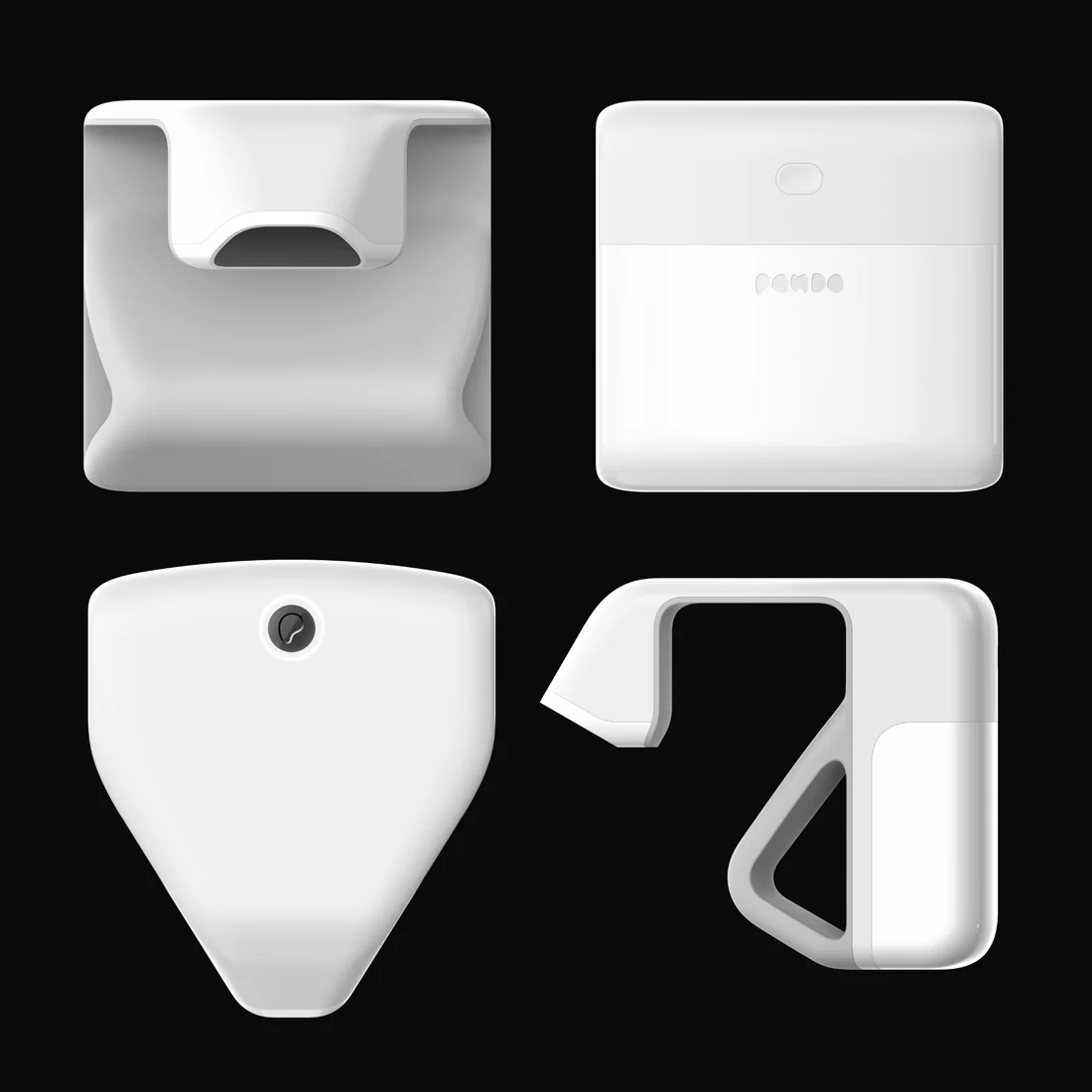
Pondo is a toilet-mounted wellness device that clips onto the rim of any standard toilet bowl — no tools, no plumbing, no mess. Using a discreet downward-facing camera and advanced AI vision technology, it passively analyzes your stool and urine every time you use the bathroom. The data is then synced via Wi-Fi to a companion mobile app, where it's translated into two core metrics:
Gut Score — a measure of your digestive health based on stool color, shape, volume, frequency, and consistency
Hydration Score — an assessment of your hydration levels based on urine color, foam, frequency, and absorption patterns
The device charges via USB-C, lasts approximately three weeks on a single charge, and supports multiple users via Bluetooth — each person's sessions are automatically linked to their own account. It's available in black or white, with a matte finish that Pondo describes as "premium and minimalist."
Importantly, Pondo is not a medical device. It's positioned as a wellness and lifestyle tracker — one that helps you notice patterns and make everyday adjustments, but is not intended to diagnose or treat any condition.
Key Specifications at a Glance
Specification | Details |
Installation | Clips onto toilet rim — no tools or plumbing required |
Connectivity | Wi-Fi (for data sync) + Bluetooth 5.x (multi-user) |
Battery Life | ~3 weeks; USB-C charging |
Water Resistance | Water-resistant (not submersion-proof) |
Materials | Medical-grade, easy-to-clean |
Multi-User | Yes — up to multiple users via Bluetooth |
App | Companion mobile app (iOS & Android) |
Subscription | No subscription required for basic features |
Warranty | 12-month limited warranty |
Price | ~$199–$219 (early bird) / ~$299–$358 (retail est.) |
Availability | Waitlist open; shipping Q2 2026 |
Colors | Black or White |
What We Like
1. Genuinely Frictionless Health Tracking
The biggest appeal of Pondo is its zero-effort approach. Unlike food diaries, symptom trackers, or even microbiome test kits that require you to mail a sample, Pondo works entirely in the background. You don't change your routine at all — the data just appears in your app. For anyone who's ever tried and abandoned a health tracking habit, this passive approach is a genuine differentiator.
2. Two Clear, Actionable Metrics
Rather than overwhelming users with raw data, Pondo distills everything into two scores: Gut and Hydration. This is smart UX design. Most people don't need a clinical breakdown — they need a simple signal that tells them whether they're on track or not, and what to do about it. The app also promises personalized guidance based on your lifestyle, which adds real value beyond just the numbers.
3. Accessible Price Point in a Premium Category
At an estimated retail price of around $299, Pondo is notably more affordable than its closest competitors. Kohler's Dekoda comes in at $599 plus an annual subscription, while Throne is priced at $399.99 with an additional $6/month membership. Pondo's no-subscription model for basic features is a meaningful advantage for cost-conscious wellness enthusiasts.
4. Founder Credibility & Research-Backed Approach
Founder Darya Mandryka has been vocal about the science behind Pondo, speaking at the SF HealthTech Summit and sharing research-backed gut health insights in publications like The Financial Express. The AI model has reportedly been trained on thousands of samples, and the company's emphasis on combining biological signals with personal lifestyle data suggests a thoughtful, evidence-informed approach rather than wellness theater.
What Gives Us Pause
1. No Real-World Validation Yet
This is the elephant in the room: Pondo hasn't shipped yet. The Kickstarter originally promised January 2026 delivery, which has since slipped to Q2 2026. While a modest delay isn't unusual for hardware startups, it means there are zero independent reviews, no long-term reliability data, and no way to verify whether the AI's gut and hydration scores are actually accurate or clinically meaningful. We're working entirely from marketing materials and the founder's word.
2. The Privacy Question
A camera in your bathroom — even one pointed strictly downward into the bowl — is going to raise eyebrows, and rightfully so. Pondo states clearly that it "will never take private pictures or recordings" and that all data is anonymized and encrypted. But as The Guardian noted in its coverage of the broader poop-cam category, these devices aren't covered by HIPAA, and questions about data ownership and third-party sharing remain important ones to ask. Pondo's privacy policy deserves a close read before purchase.
3. Wellness Claims vs. Clinical Reality
Registered dietitians have raised valid concerns about the broader category. As dietitian Ashley Oswald noted, stool bacteria can change within two days of a diet shift — which raises questions about how meaningful daily gut scores really are. There's also a risk of users becoming overly fixated on achieving a "perfect" gut score, which may not reflect actual health outcomes. Pondo would benefit from being transparent about the limitations of visual stool analysis versus more comprehensive diagnostic methods.
How It Stacks Up: The Competitive Landscape
Pondo enters a small but rapidly growing category of toilet-mounted health trackers. Its two main competitors are:
Throne ($399.99 + $6/month) — An Austin-based startup with physician endorsements from top GI doctors at UChicago and elsewhere. Throne tracks gut health, urinary function, and hydration, and has a strong clinical advisory board. It's the most credible competitor in the space, though it costs more and requires a subscription.
Kohler Dekoda ($599 + annual subscription) — The most premium option, backed by the Kohler brand. It uses optical sensors and machine learning, and can detect the presence of blood in stool — a more clinically significant feature. However, it's the most expensive option by a wide margin.
Pondo's positioning as the accessible, design-forward, no-subscription option is smart. If the AI accuracy holds up in real-world use, it could carve out a strong niche among wellness-curious consumers who aren't ready to spend $600 on a toilet gadget.
Who Is This For?
Pondo is likely to resonate most with:
Biohackers and quantified-self enthusiasts who want passive, continuous health data
People managing IBS, digestive issues, or chronic gut discomfort who want to identify triggers
Health-conscious individuals who struggle to stay hydrated and want real-time feedback
Early adopters comfortable with pre-launch hardware and willing to wait for Q2 2026 delivery
It's probably not the right fit for anyone expecting clinical-grade diagnostics, or those with serious privacy concerns about connected bathroom devices.
First Impressions Verdict
Pondo is one of the more genuinely interesting wellness gadgets to emerge in recent years — not because the concept is entirely new, but because it's tackling a real gap in passive health monitoring with a thoughtful, accessible approach. The zero-friction setup, clean two-metric output, and competitive pricing make a strong case on paper.
The big caveat is that this is still a pre-launch product. Until real users get their hands on it and independent reviewers can assess the accuracy of the AI, the gut and hydration scores remain unverified promises. The delivery delay, while minor, is worth noting.
That said, if Pondo delivers on its promises, it could be a genuinely useful addition to the modern wellness toolkit — and at $199–$299, it's the most accessible entry point into a category that's only going to grow.
🏆 First Impressions Rating: 7/10 — "Promising concept, pending real-world proof"
Disclaimer: This is a first impressions review based on publicly available information, official product materials, and competitive research. No physical unit has been tested. Ratings reflect pre-launch assessment only.
About

Featured Posts